SiteList review score
Clear production-inference positioning and useful pricing detail. Heavy lab transfer and blocking costs make the experience slower than it should be.
Reviewed on Oct 8, 2026
baseten.co
Unclaimed listingWhat it does
Baseten is an inference platform for serving and scaling open-source, custom, and fine-tuned AI models in production, with model runtimes, cross-cloud high availability, and developer workflows.
SiteList review score
Clear production-inference positioning and useful pricing detail. Heavy lab transfer and blocking costs make the experience slower than it should be.
Reviewed on Oct 8, 2026
Verified user rating
—
No verified reviews yet — the evidence locker is empty.
Captured during our latest review on Oct 8, 2026
Pricing is based on the time models spend deploying, scaling, and making predictions; no numeric pack price is evidenced. Billed usage.
View sourceAI model deployment
Inference
Deploy open-source, custom, and fine-tuned AI models on production inference infrastructure.
Pre-optimized Model APIs
Model APIs
Use optimized model APIs to test workloads, prototype products, or evaluate AI models.
Autoscaling
Infrastructure
Configure autoscaling settings for model inference workloads.
Inference engineering
Engineering services
Work across model development, serving, orchestration, observability, and low-level optimization.
Production AI inference
Serve AI models in production at scale.
Workload prototyping
Test new workloads and prototype products with pre-optimized model APIs.
High-scale inference
Run open-source, custom, and fine-tuned models for high-scale workloads.
Baseten is aimed at technical teams shipping production, high-stakes, high-performance AI products, including model and infrastructure engineers.
The site clearly presents infrastructure for deploying and scaling production AI inference, with routes into products, models, documentation, pricing, and customer evidence.
Field data is healthy, with mobile p75 LCP of 1.2–1.6 s, INP of 176–196 ms, and CLS of 0. Lab diagnostics are weaker, showing 2.8–2.9 MB mobile payloads, 2.3–3.1 s blocking time, and up to 23.7 s to interactivity on the sampled library URL, which returned 404/redirect and requires rerunning.
The pricing page exposes three plans and detailed model, deployment, and training prices. The sampled desktop and mobile captures show the same core content.
The sampled changelog is active and recent, but the primary docs host was not crawled. Quickstarts, task guides, API reference, search, and support coverage are therefore not assessable in this review.
Answers are based on SiteList's latest evidence review. Read the full review.
Baseten scores 71/100 for a clear production-inference proposition, strong technical routes, and credible decision support. Its most material weakness is performance: field data is healthy, but lab tests show heavy transfer and blocking costs that can delay interactivity.
71/100: capable platform, with a material performance cost
No reviews yet. The evidence locker is empty.
Reviews from verified users appear here once approved.
Reviews are from the SiteList community. Some reviewers received incentives — disclosed in the review, always. The verdict is never for sale.
Home
CodeBurn — See where your AI coding spend actually goes screenshot 1 of 4: Home
codeburn.app
CodeBurn is a free, open-source, local-first tool that tracks AI coding token usage and cost across dozens of developer tools. It breaks down spend by model, project, and task using session files already on the user's disk, with no data uploaded.
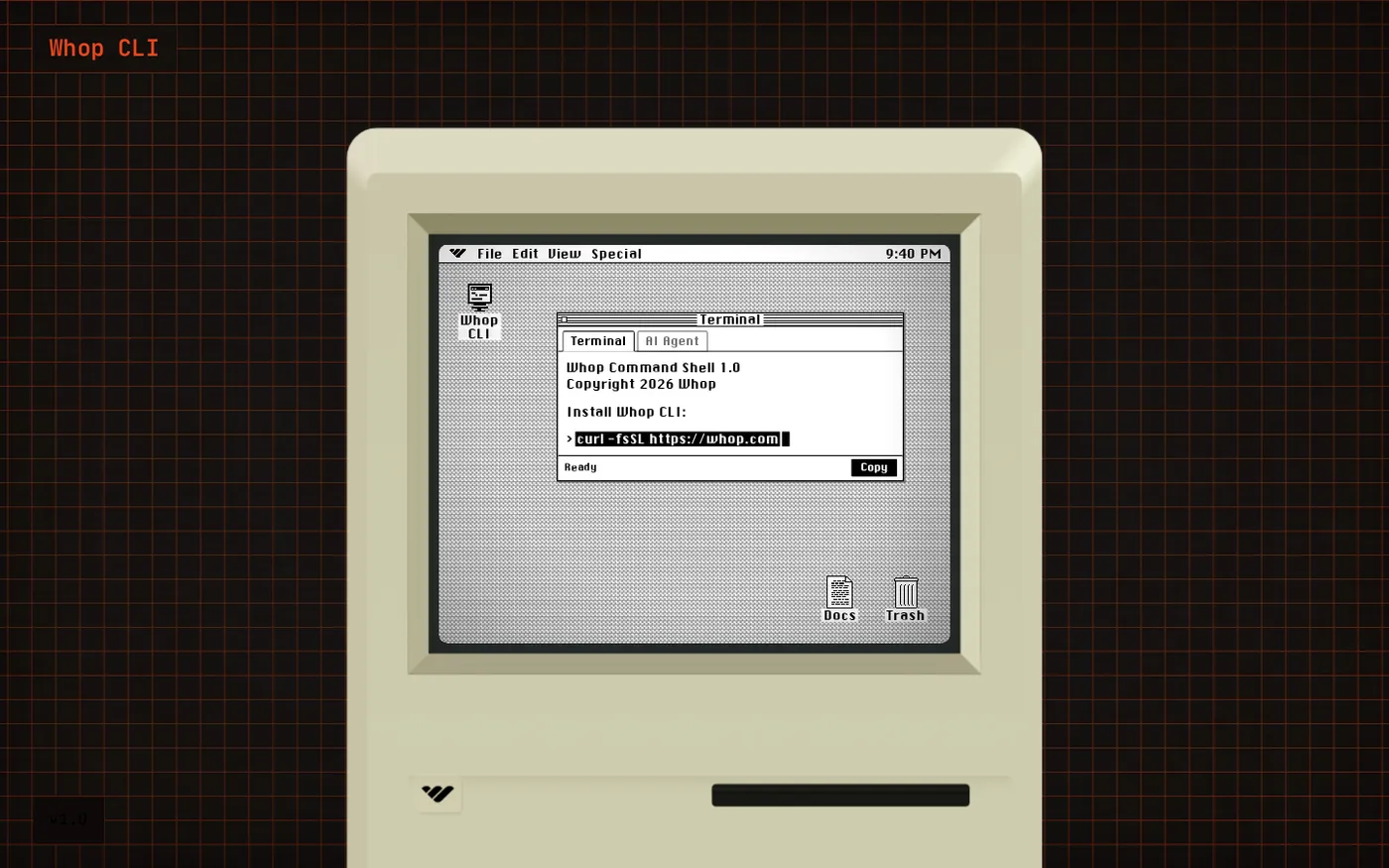
whop.sh
The Whop CLI gives developers, creators, and automation agents command-line access to Whop API resources.
Home
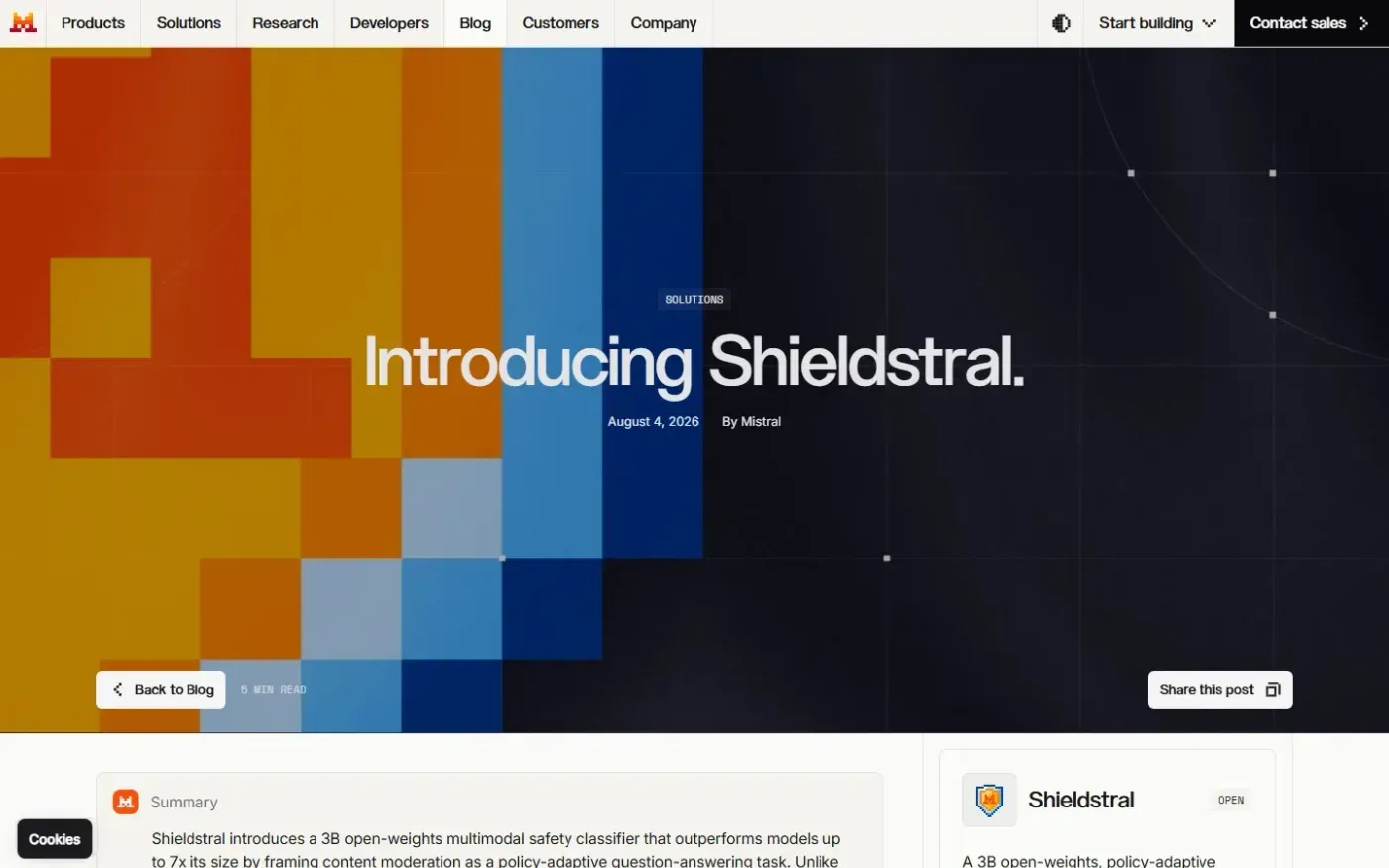
Shieldstral — Define safety at runtime for text and images screenshot 1 of 4: Home
mistral.ai
Shieldstral introduces a 3B open-weights multimodal safety classifier that outperforms models up to 7x its size.
Home
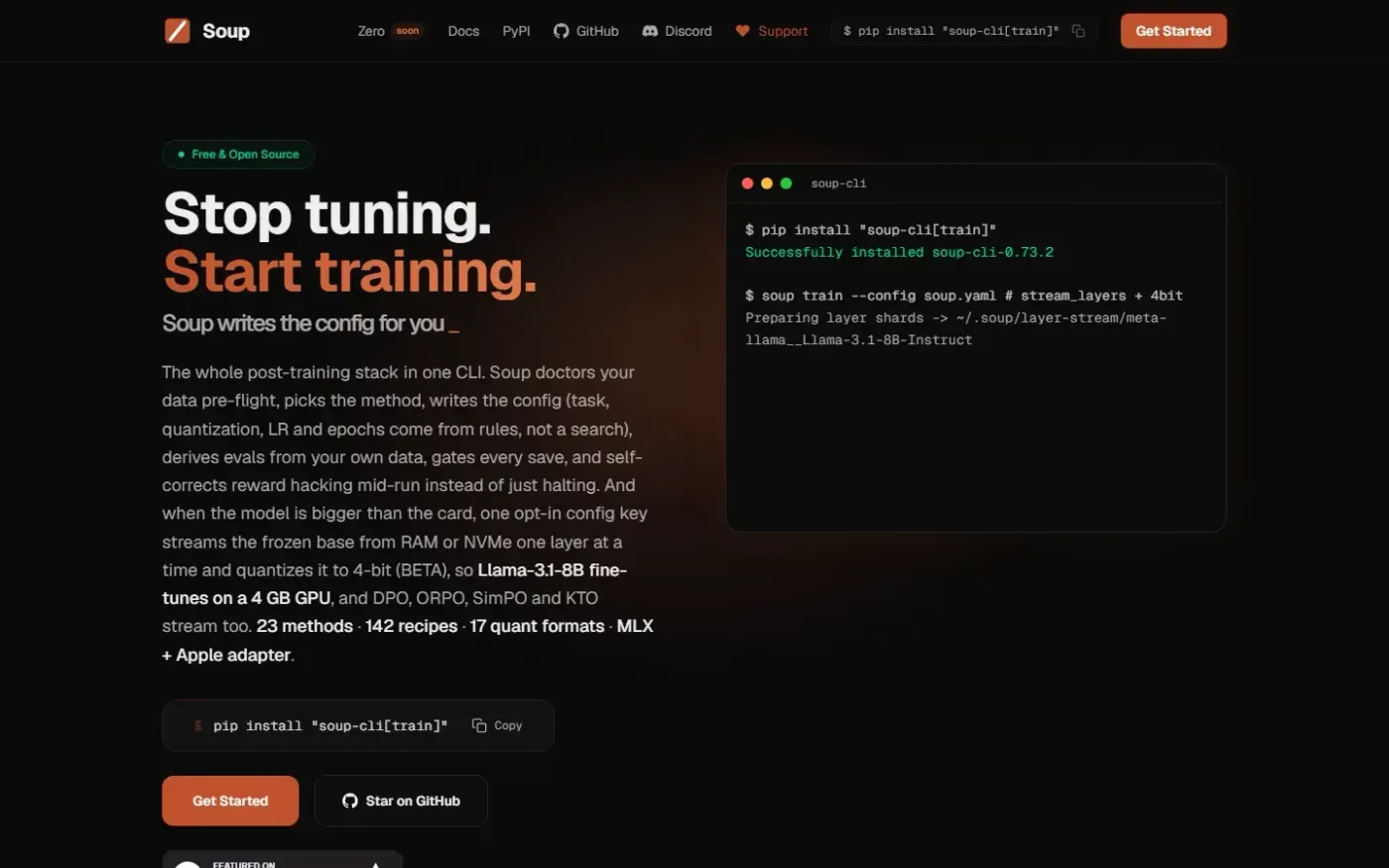
Soup CLI — Fine-tune an 8B LLM on a 4 GB laptop GPU screenshot 1 of 4: Home
trysoup.dev
Soup CLI is an open-source command-line toolkit for LLM post-training and fine-tuning on local hardware. It uses layer streaming to fit 8B models into 4 GB VRAM, auto-generates training configs, gates saves via evals, and supports migration from other fine-tuning tools.