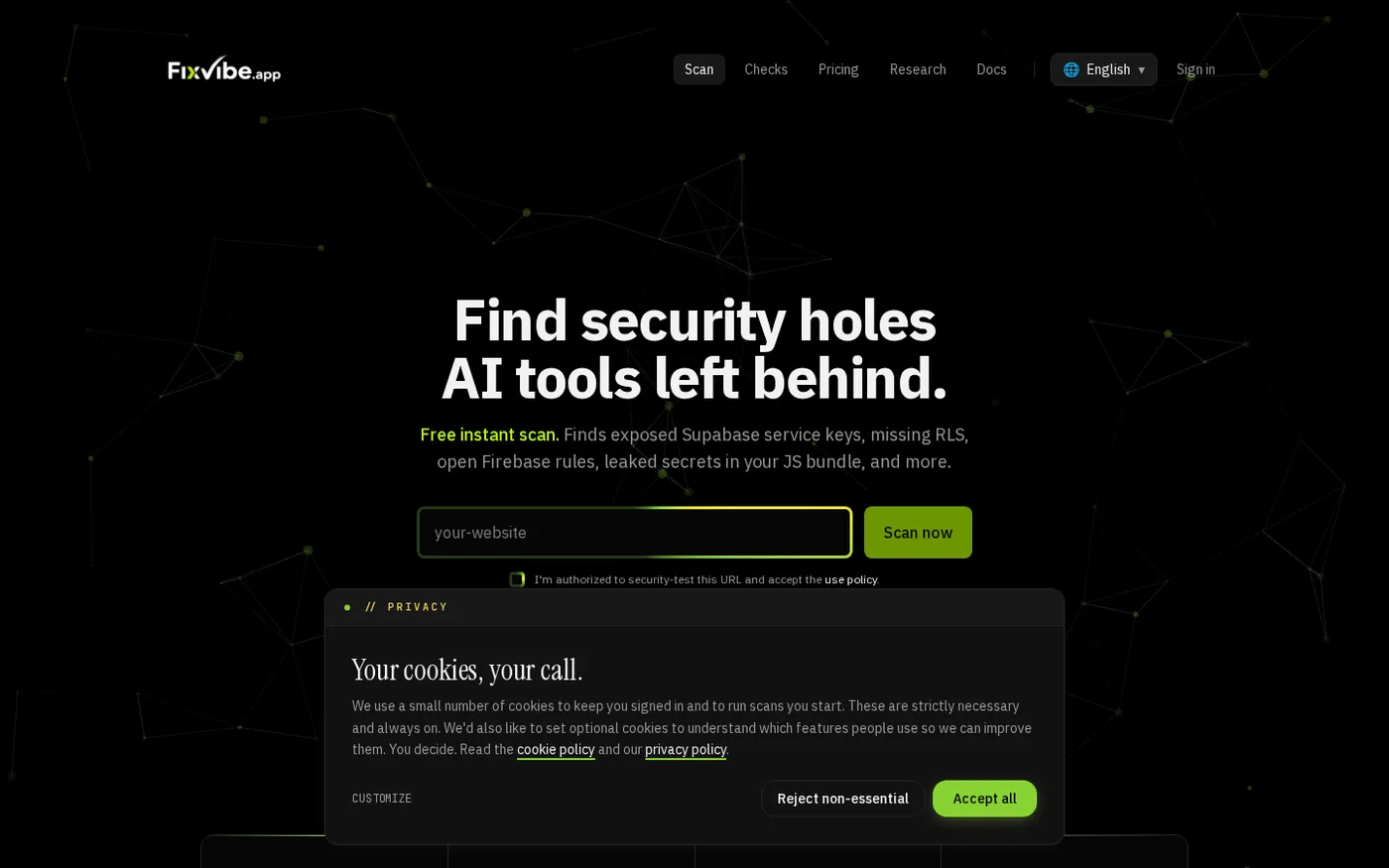
Home
Fixvibe screenshot 1 of 4: Home
Fixvibe
Score 83 out of 100 — Strongfixvibe.app
Security scanner for AI-generated web apps, including DAST, BaaS misconfiguration checks, leaked-secret detection, and AI-ready remediation prompts.
The full directory
Search by the work you need done, then narrow by category, pricing, platform, score, or review activity.
117 tools matched your view.
Home
Fixvibe screenshot 1 of 4: Home
fixvibe.app
Security scanner for AI-generated web apps, including DAST, BaaS misconfiguration checks, leaked-secret detection, and AI-ready remediation prompts.
Home
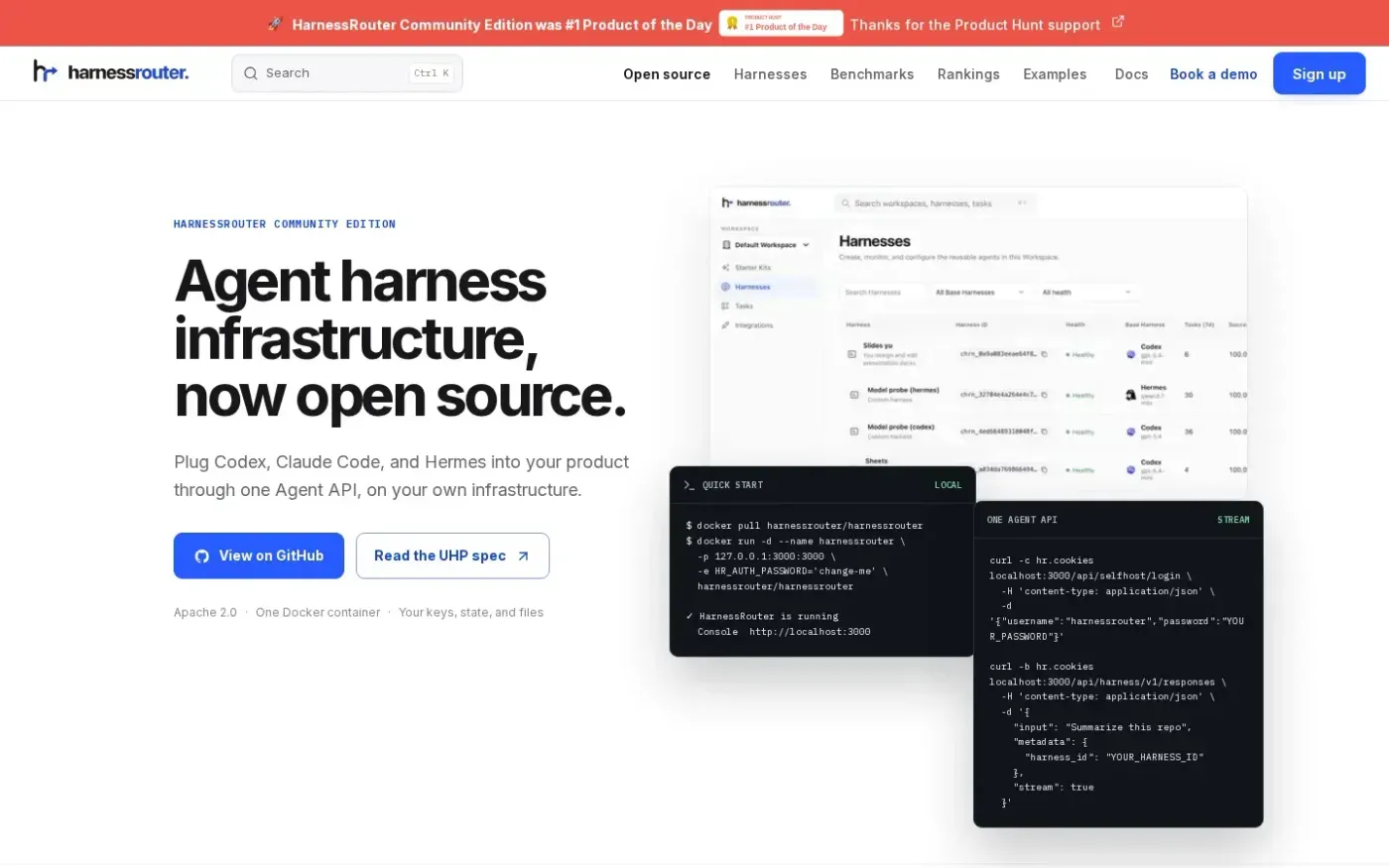
HarnessRouter Community Edition — Open-source unified interface for agent harnesses screenshot 1 of 4: Home
harnessrouter.ai
HarnessRouter is an AI agent API and harness-as-a-service layer for bringing managed agent harnesses such as Codex, Claude Code, and Hermes into products through one integration.
Home
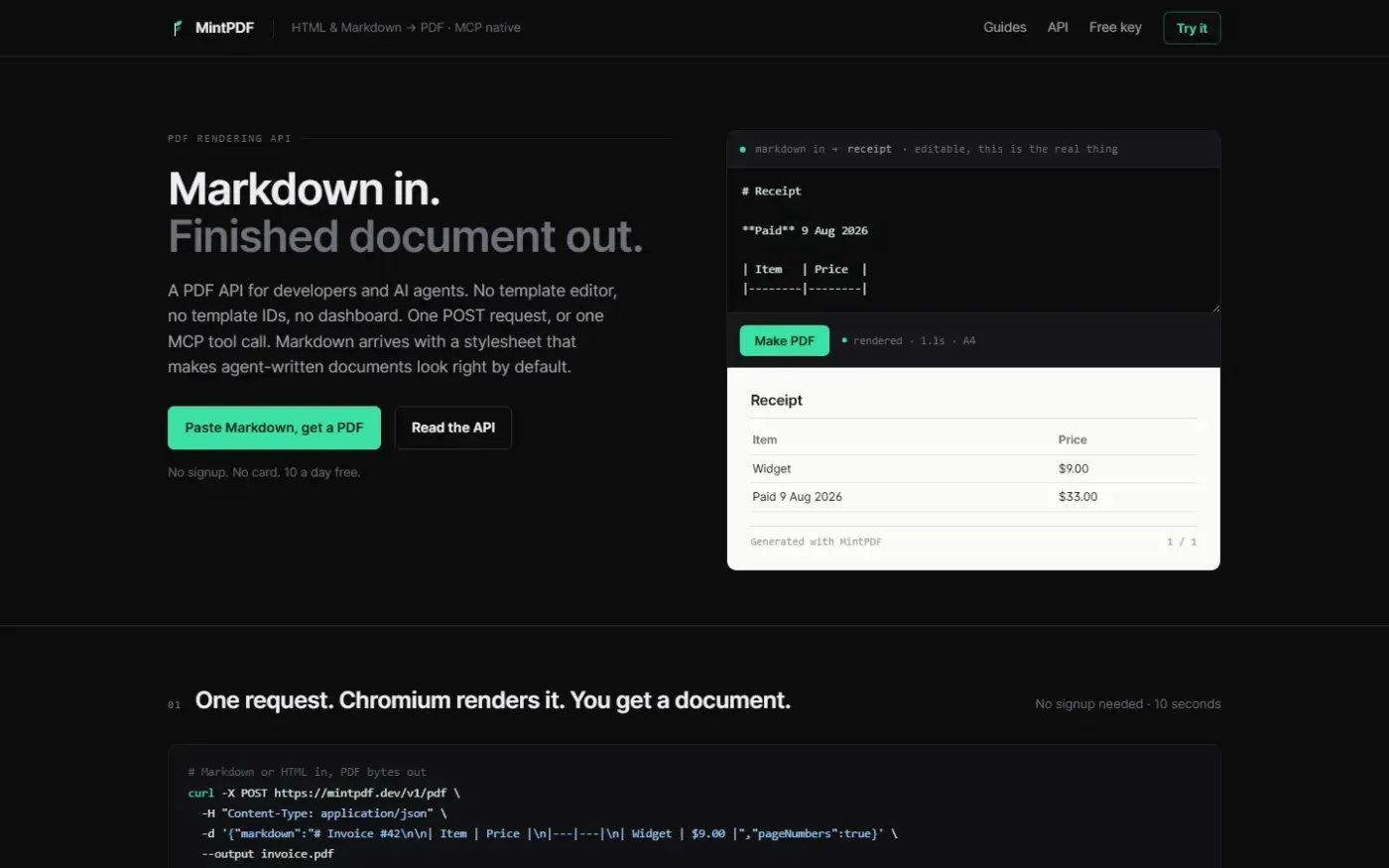
Mintpdf screenshot 1 of 4: Home
mintpdf.dev
HTML and Markdown to PDF API for developers and AI agents. Renders via REST POST or MCP tool call with no template editor, dashboard, or signup required. Supports A4/Letter/Legal/A3/A5, headers/footers, page numbers, Mermaid diagrams, LaTeX math, and public URL inputs. Files auto-delete after one hour.
Home
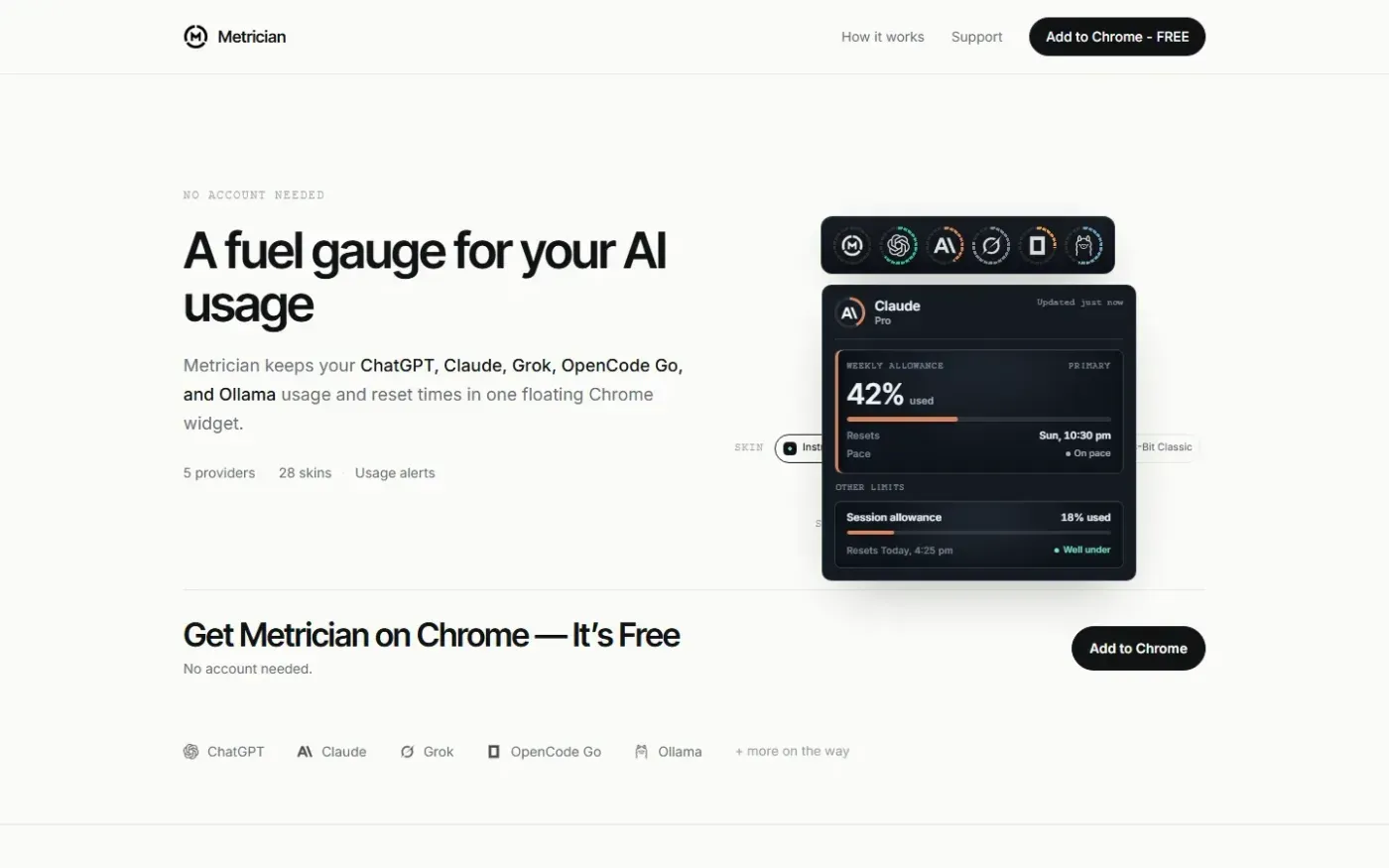
Metrician screenshot 1 of 4: Home
metrician.io
Metrician is a Chrome extension that displays AI usage limits, usage pace, and reset times for ChatGPT, Claude, Grok, OpenCode Go, and Ollama inside a customizable floating browser widget.
Home
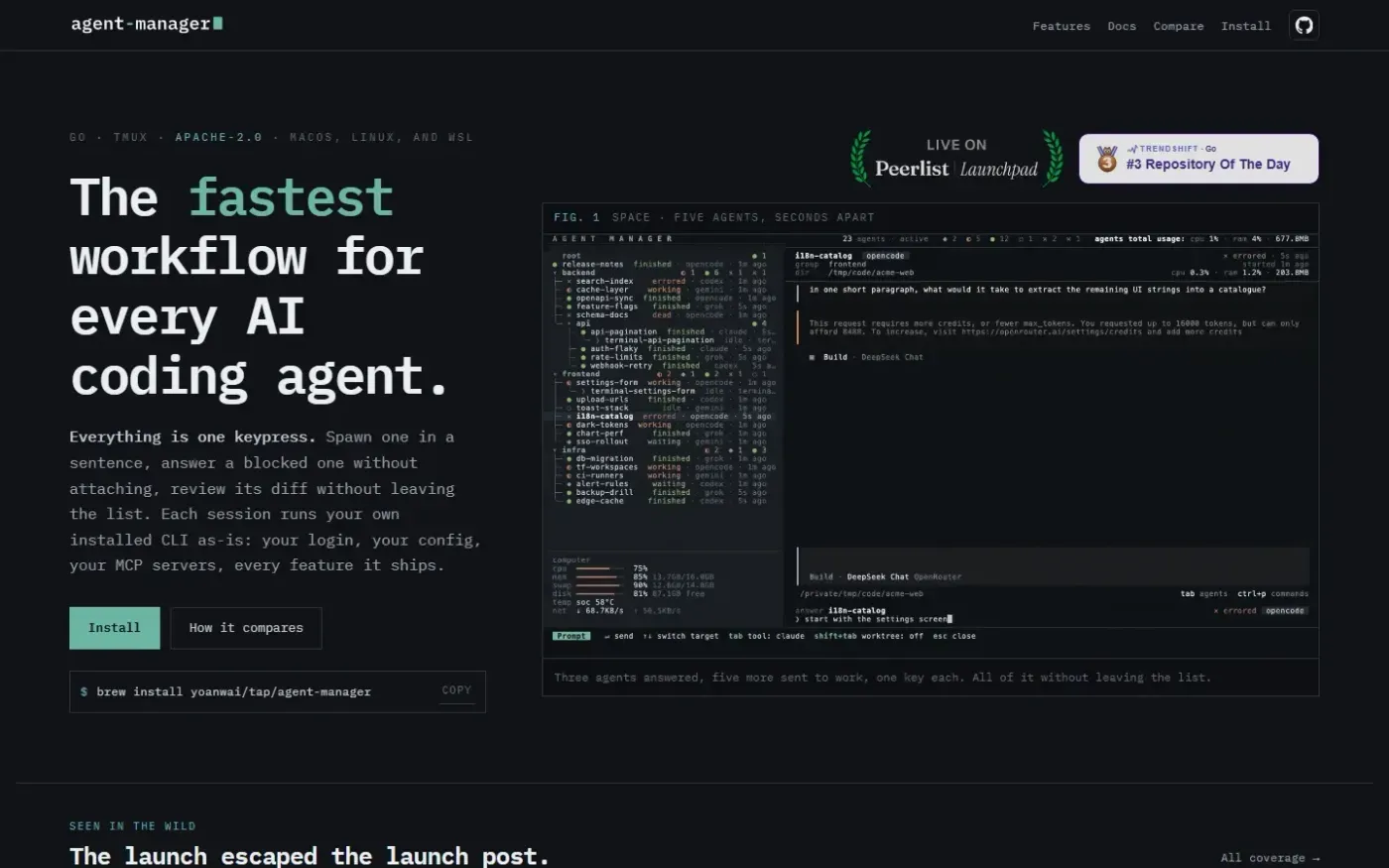
agent-manager — The fastest workflow for developing with AI screenshot 1 of 4: Home
agent-manager.dev
A Go terminal UI that runs every AI coding agent as a live tmux session.
Home
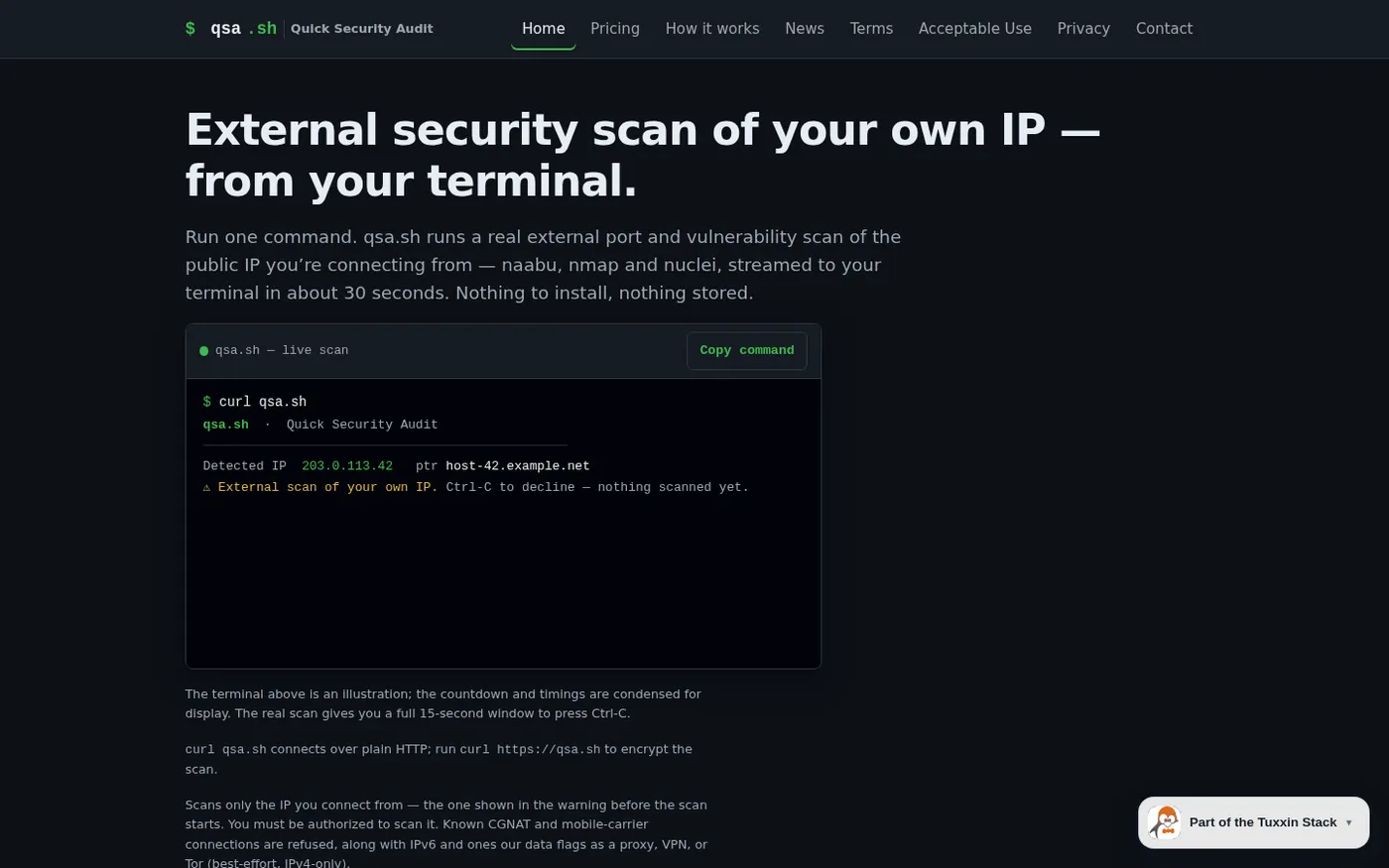
qsa.sh — External security scan of your own IP, in your terminal screenshot 1 of 4: Home
qsa.sh
A terminal-based service that performs an external port and vulnerability scan of the user's own public IP address using open-source tools (naabu, nmap, nuclei), offering a free live-streaming tier and paid async/deep scan tiers.
Home
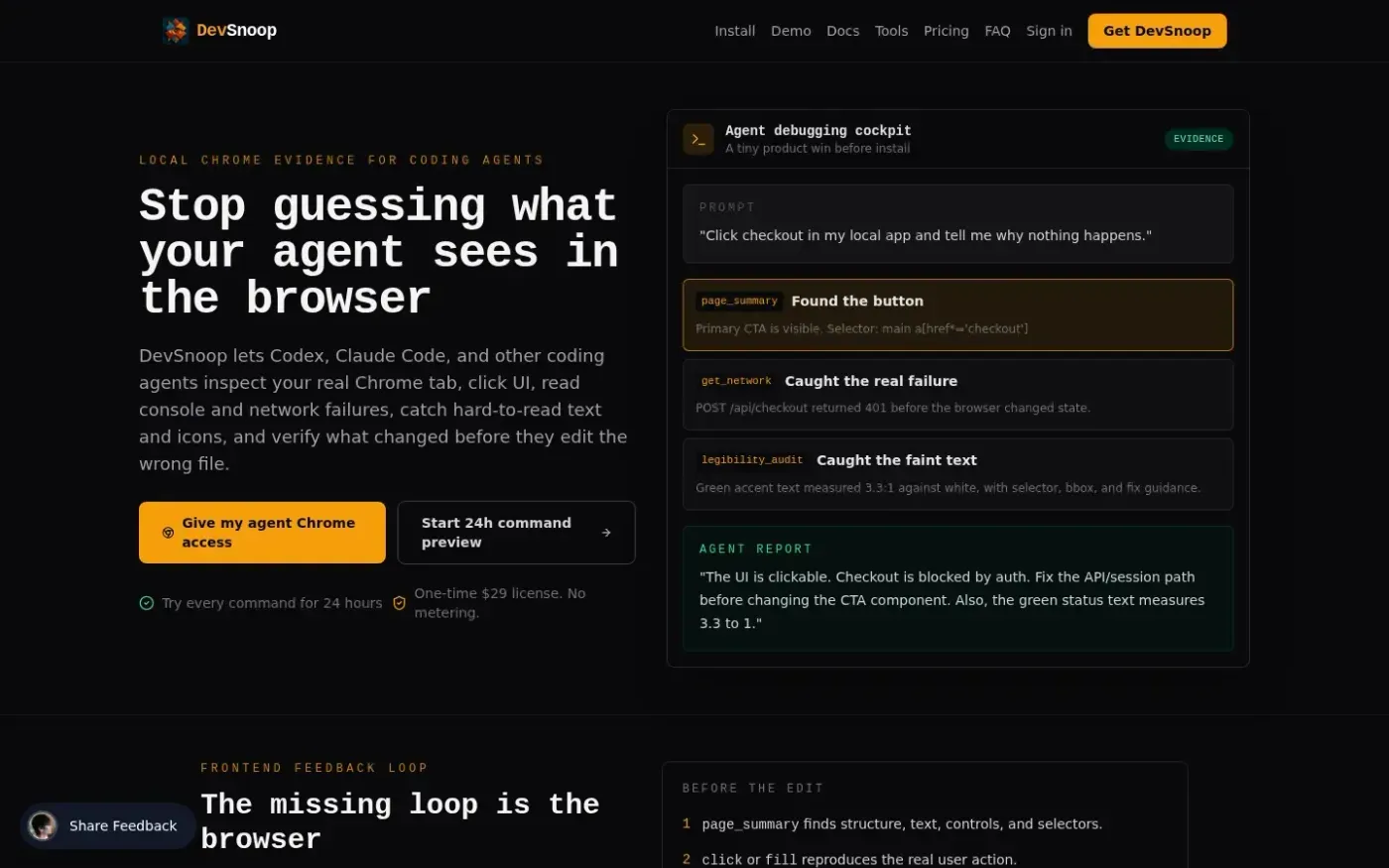
Devsnoop screenshot 1 of 4: Home
devsnoop.com
DevSnoop is a local Chrome extension and native host that provides coding agents with structured browser inspection, interaction, and debugging capabilities via a local HTTP API on port 9400.
Home
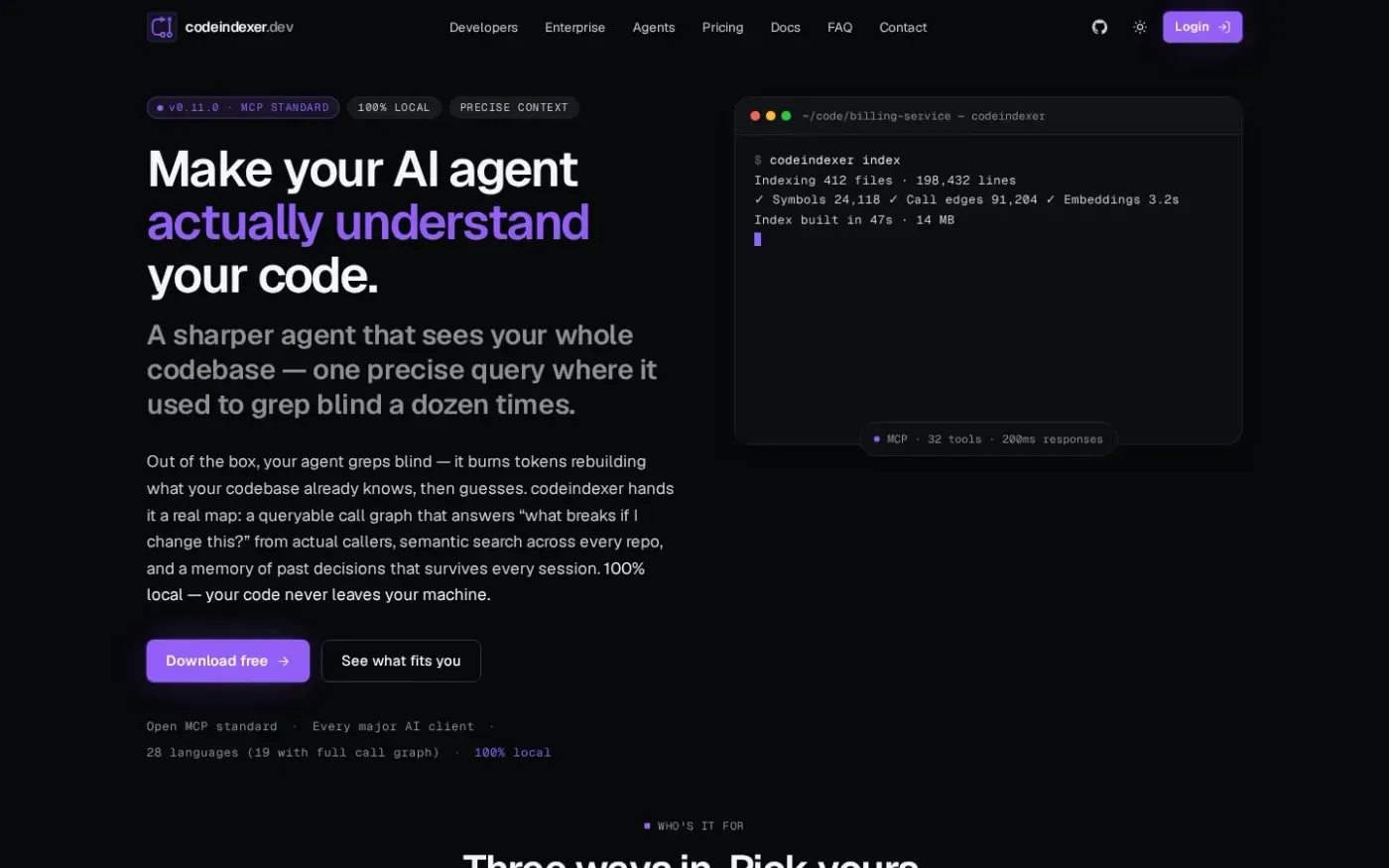
Codeindexer screenshot 1 of 4: Home
codeindexer.dev
Codeindexer is a local MCP server that provides AI agents like Cursor, Claude Code, and Copilot with deep codebase intelligence. It features a queryable call graph, semantic search, and persistent memory. Supporting 28 languages, it runs entirely offline to ensure code privacy while reducing token costs by providing precise context. It includes 32 tools for search, graph analysis, and security auditing, compatible with any client using the Model Context Protocol standard.
Home
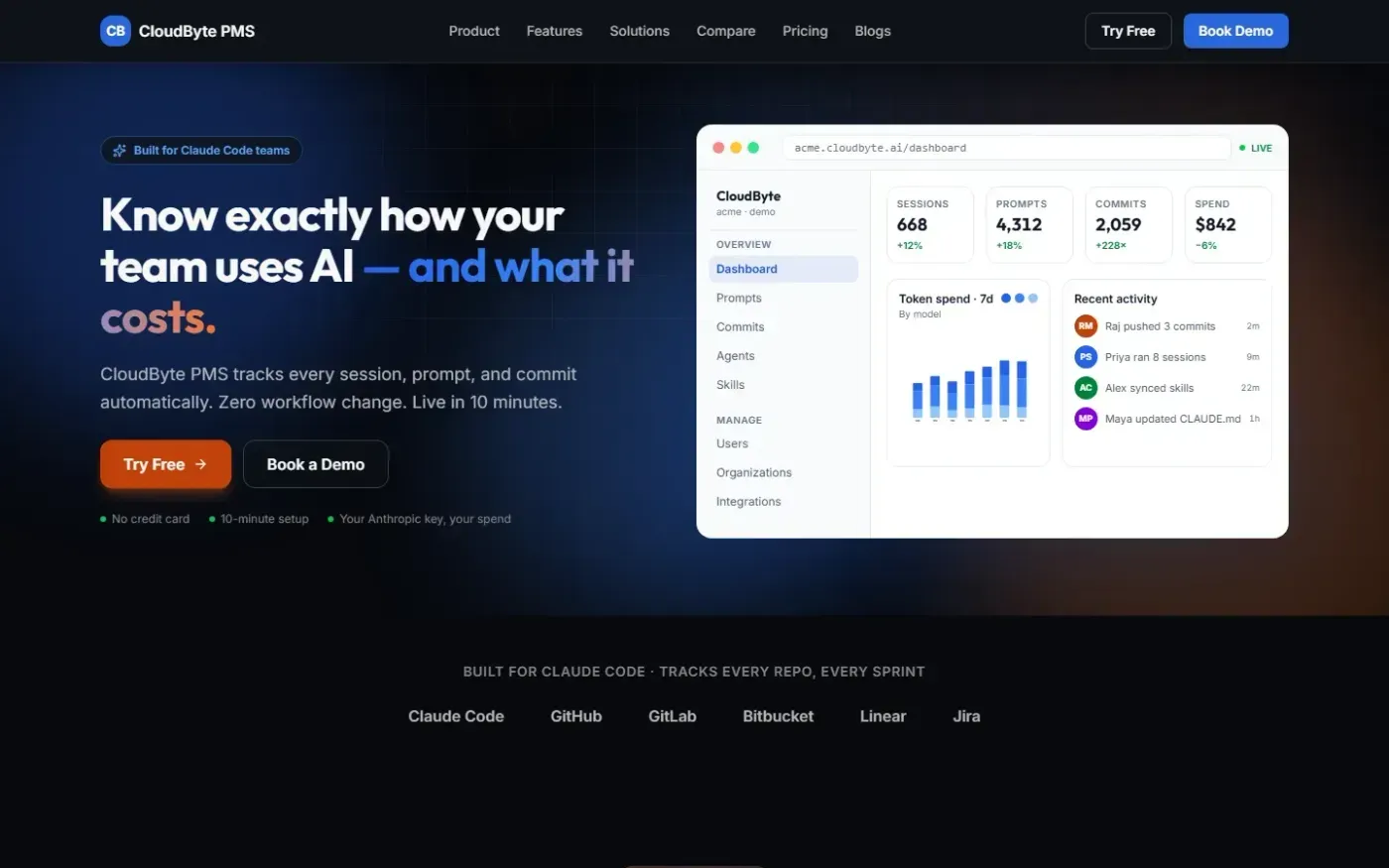
Cloudbyte screenshot 1 of 4: Home
cloudbyte.ai
CloudByte PMS is a dashboard for engineering teams that tracks Claude Code sessions, prompts, token spend, commits, AI adoption, governance, and developer-machine health.
Home
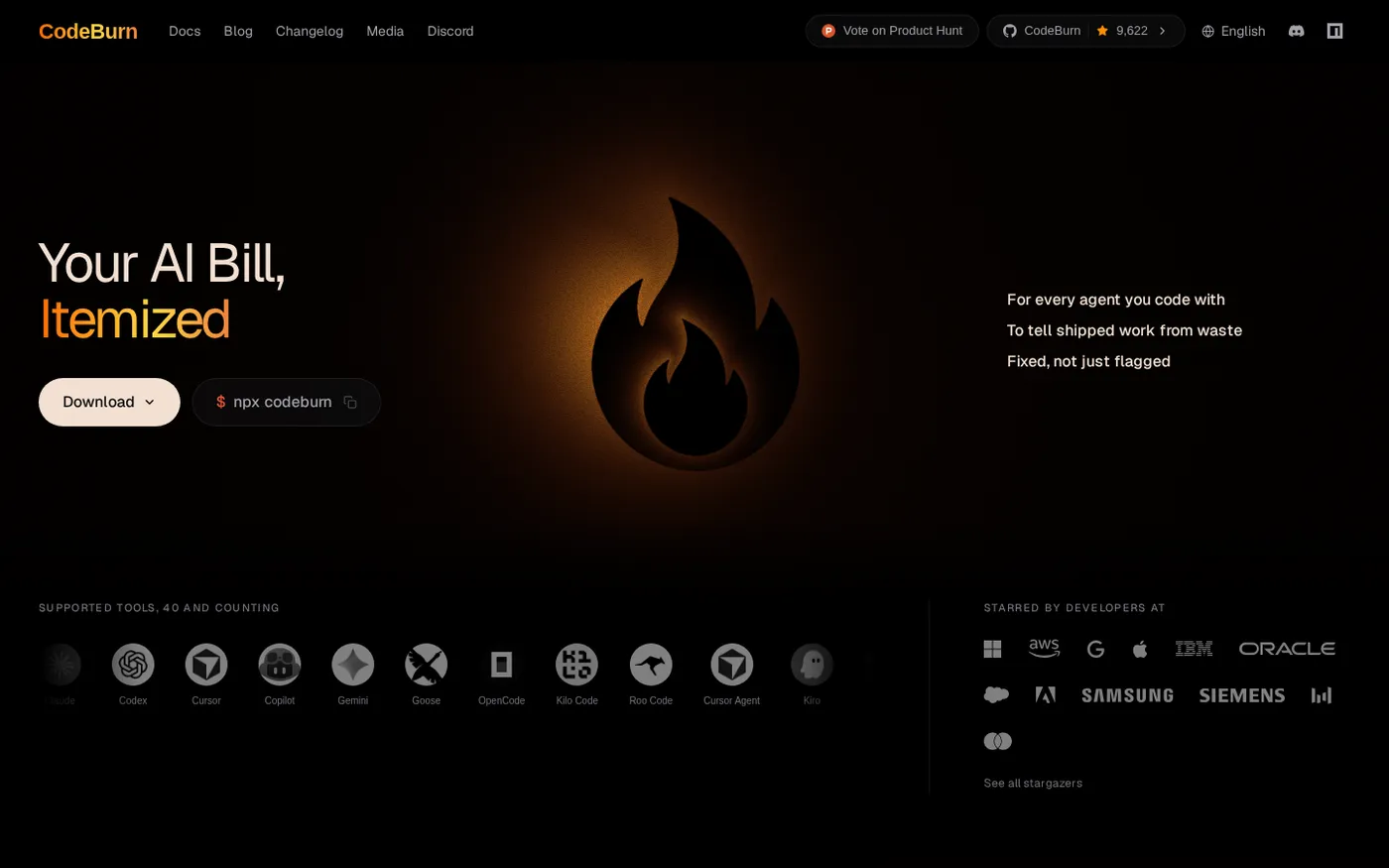
CodeBurn — See where your AI coding spend actually goes screenshot 1 of 4: Home
codeburn.app
CodeBurn is a free, open-source, local-first tool that tracks AI coding token usage and cost across dozens of developer tools. It breaks down spend by model, project, and task using session files already on the user's disk, with no data uploaded.
Home
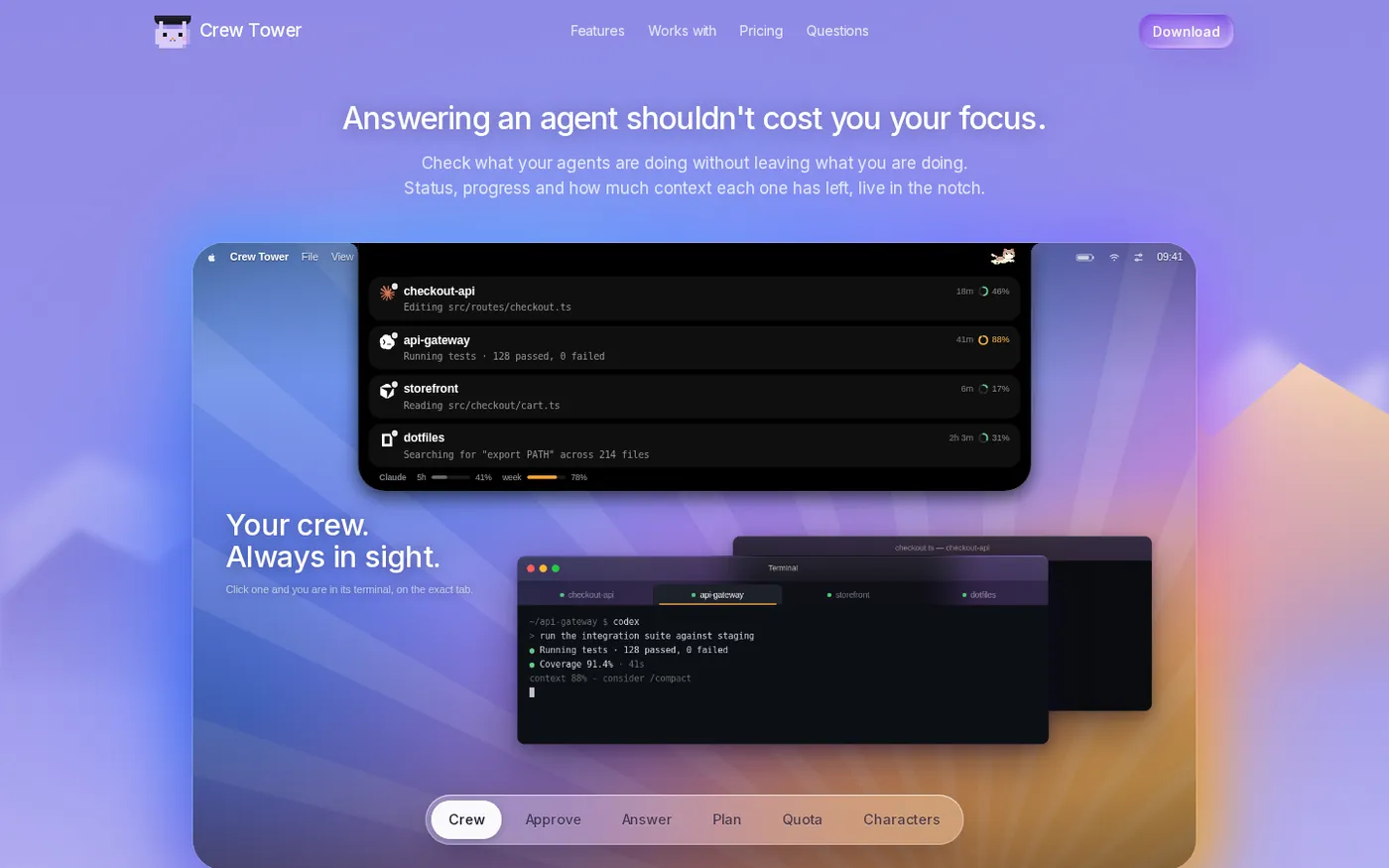
CrewTower — Control your agents from the notch screenshot 1 of 4: Home
crewtower.app
Crew Tower turns the MacBook notch into a live control tower for every AI coding agent you run. Approve, deny, answer and jump to the exact terminal tab without leaving what you are doing.
Home
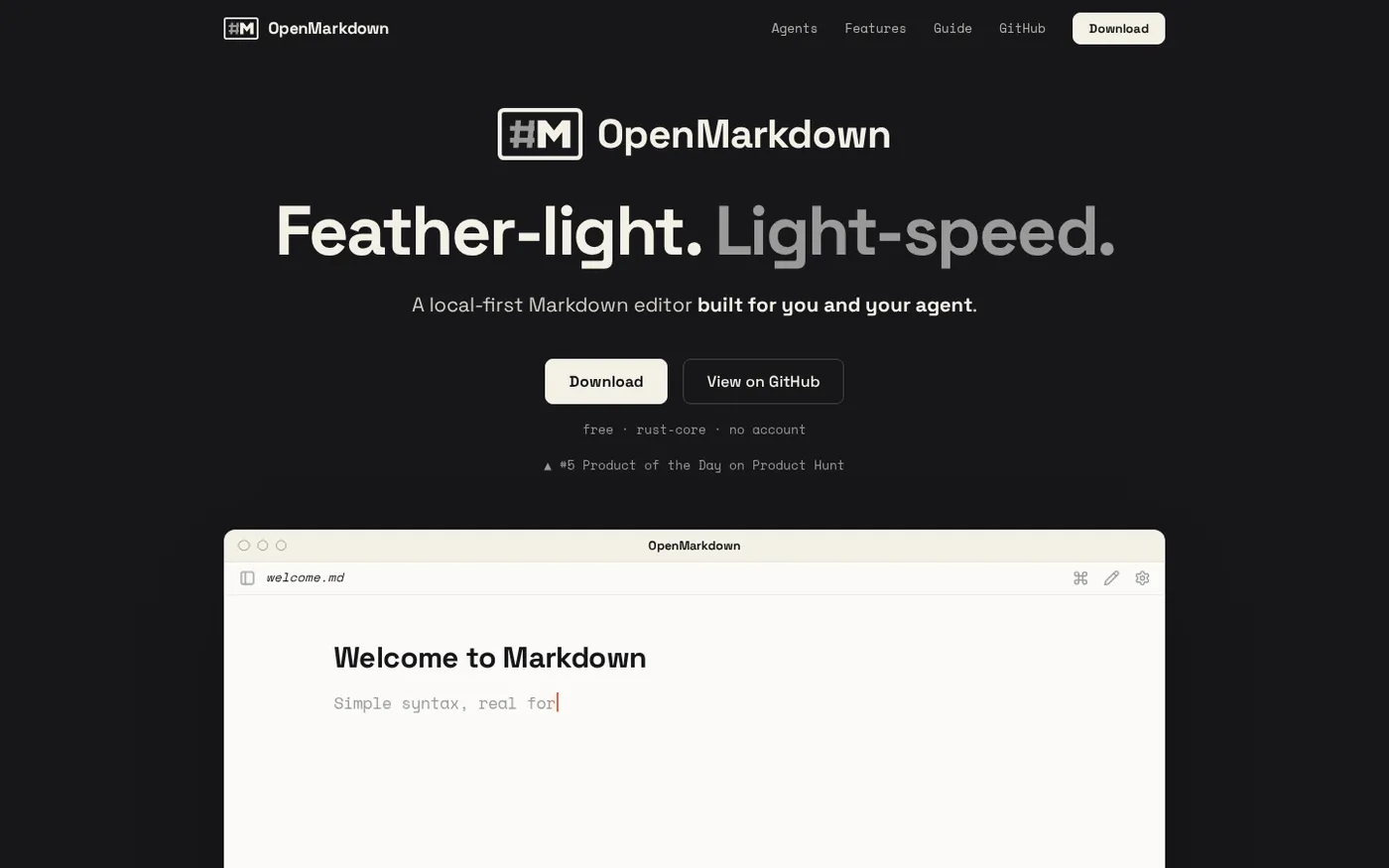
OpenMarkdown — A markdown editor you and your agent co-edit screenshot 1 of 2: Home
openmarkdown.dev
A feather-light, local-first Markdown editor built for you and your agent. It features a native Rust core for high performance and includes a built-in MCP server that allows AI agents to open, read, and edit files alongside the user with live previews and optimistic concurrency.
Home
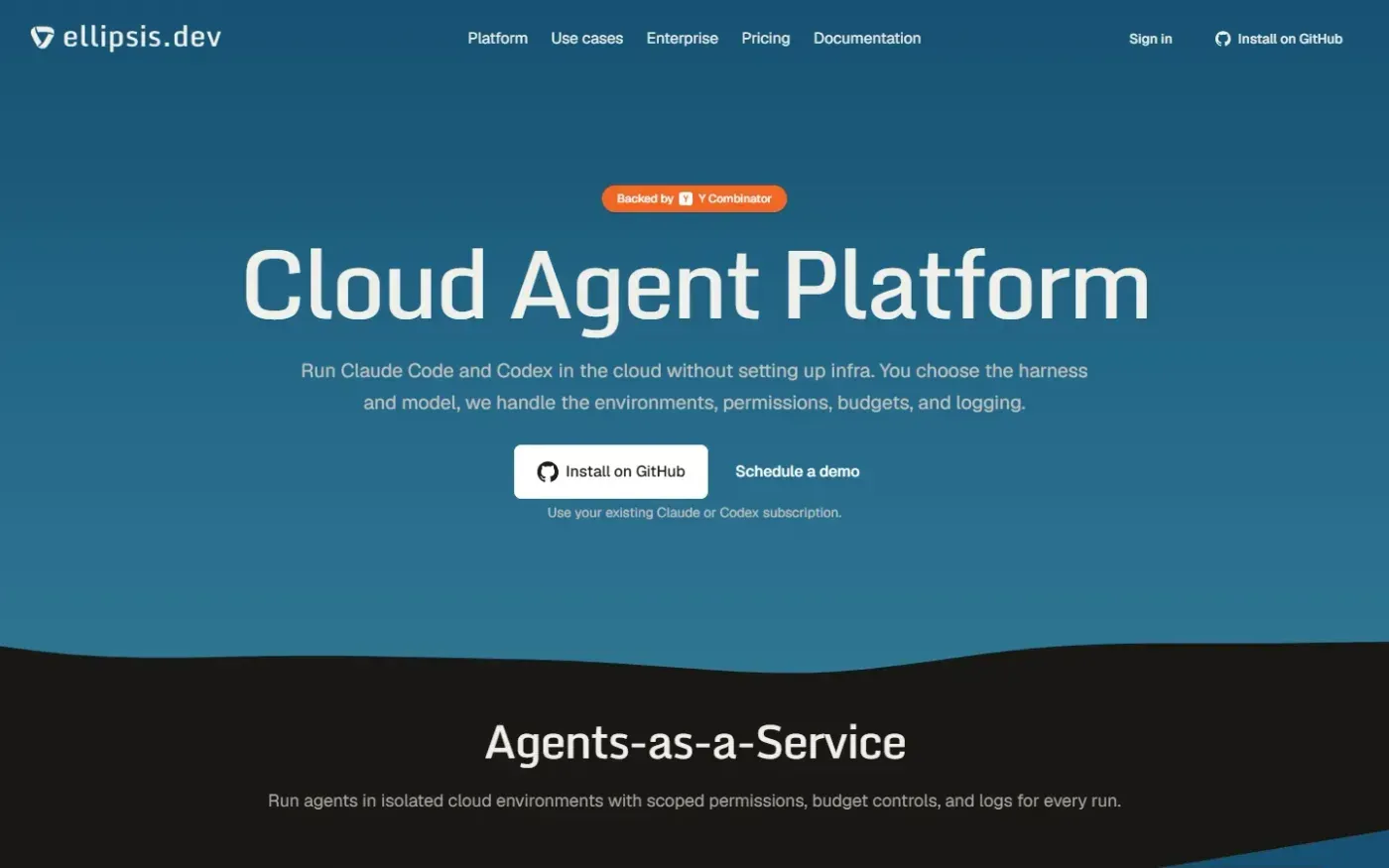
Ellipsis screenshot 1 of 4: Home
ellipsis.dev
Managed Claude Code agents in the cloud. Define agents as config files in your repo – Ellipsis runs them to build features, fix bugs, and investigate production issues.
Home
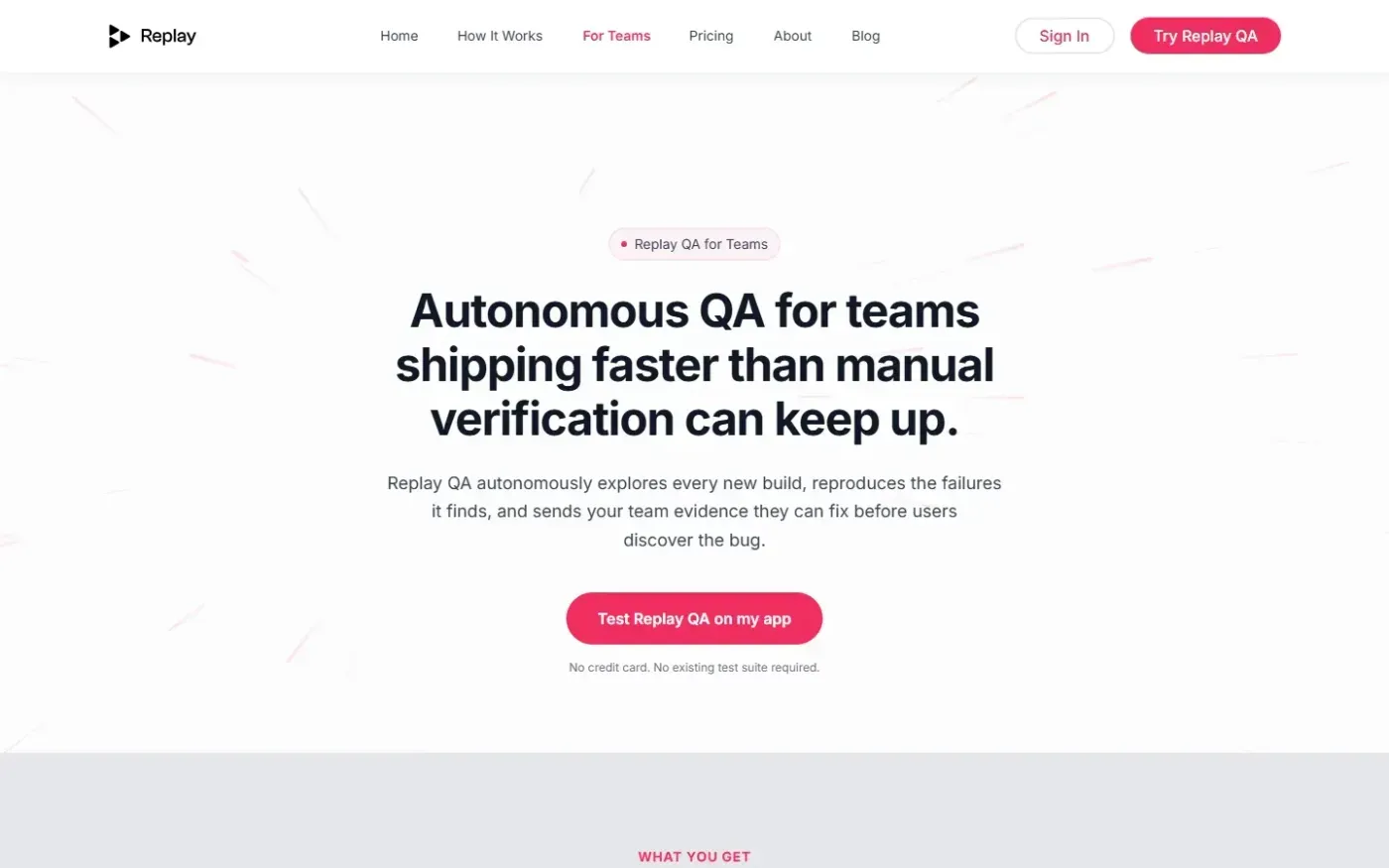
Replay QA for Teams — Autonomous QA for teams who ship faster than they can verify screenshot 1 of 4: Home
replay.io
Replay QA autonomously explores every new build, reproduces the failures it finds, and sends your team evidence they can fix before users discover the bug.
Home
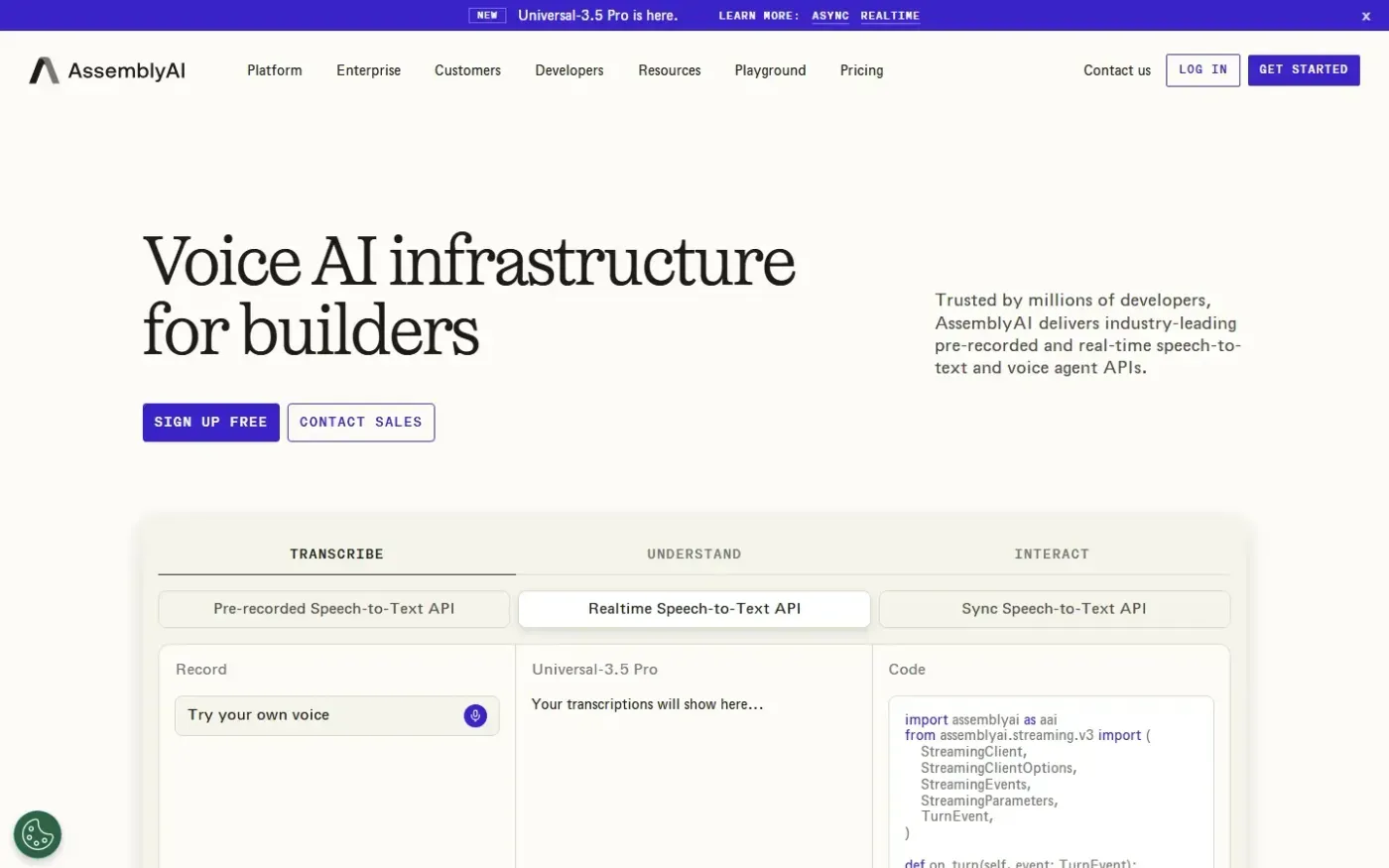
Assemblyai screenshot 1 of 4: Home
assemblyai.com
AssemblyAI provides speech AI models and APIs for transcribing speech to text and extracting insights from voice data.
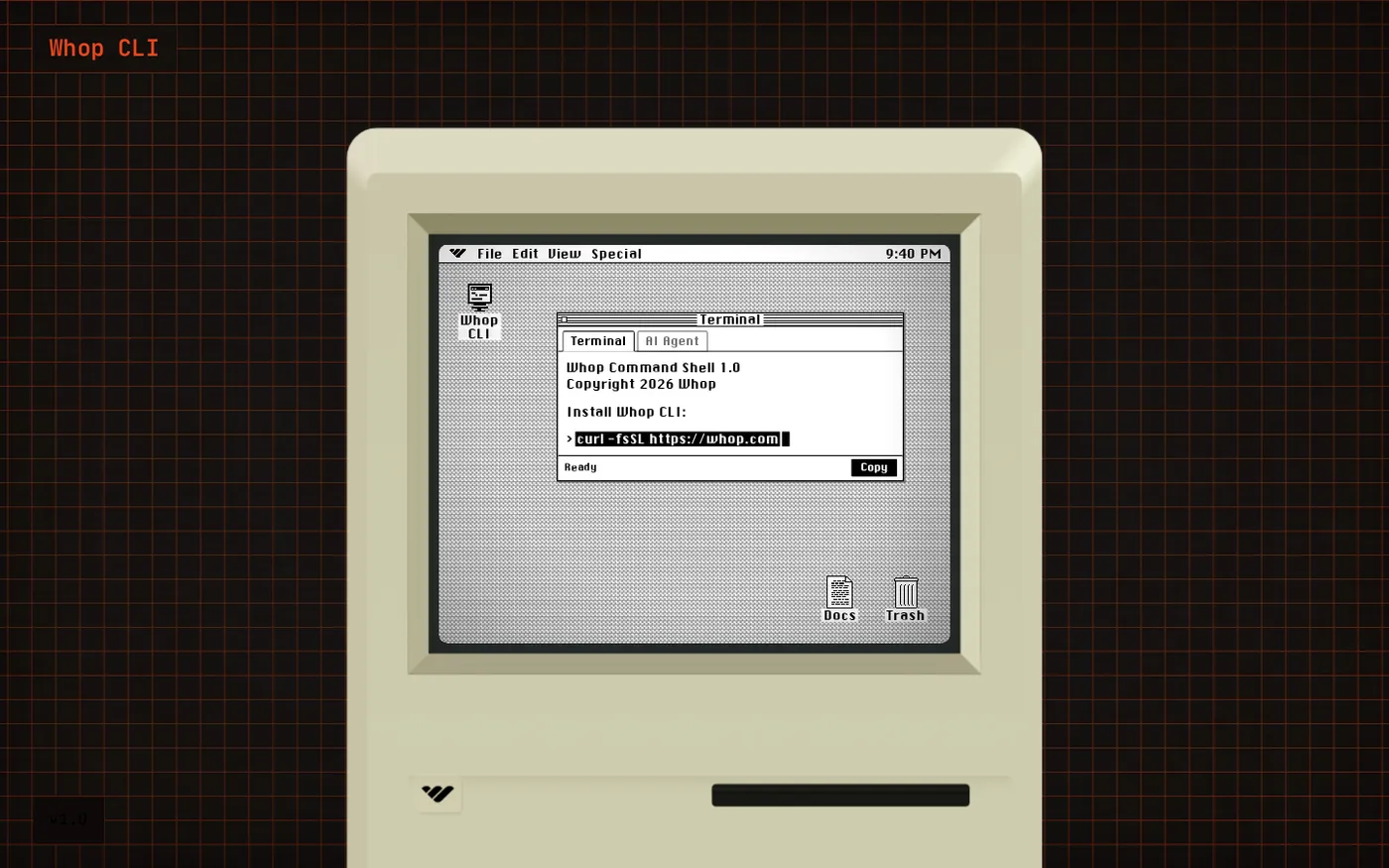
whop.sh
The Whop CLI gives developers, creators, and automation agents command-line access to Whop API resources.
Home
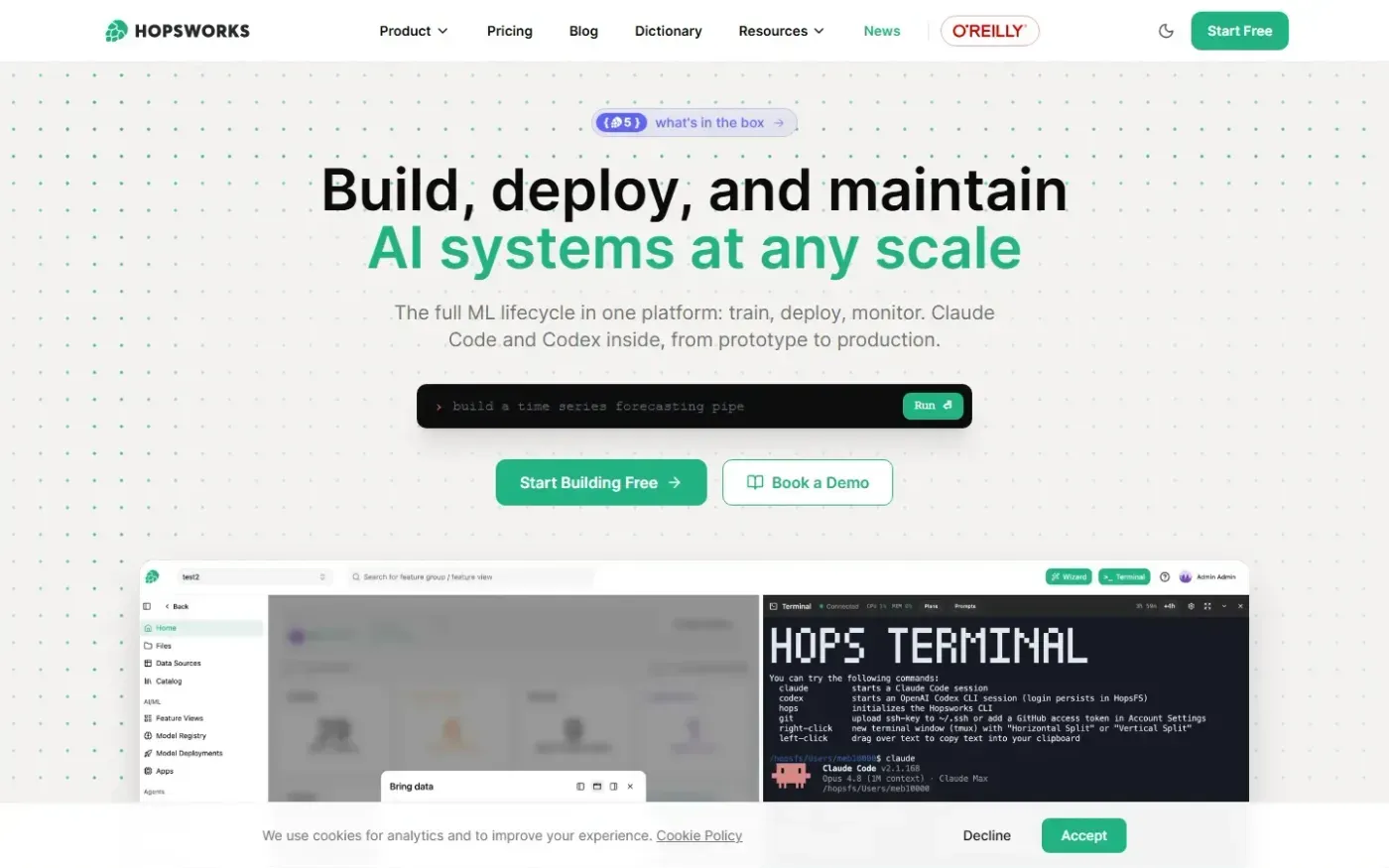
Hopsworks screenshot 1 of 4: Home
hopsworks.ai
Build, deploy, and scale production ML systems with Hopsworks. The Feature Store and MLOps platform for real-time AI.
Home
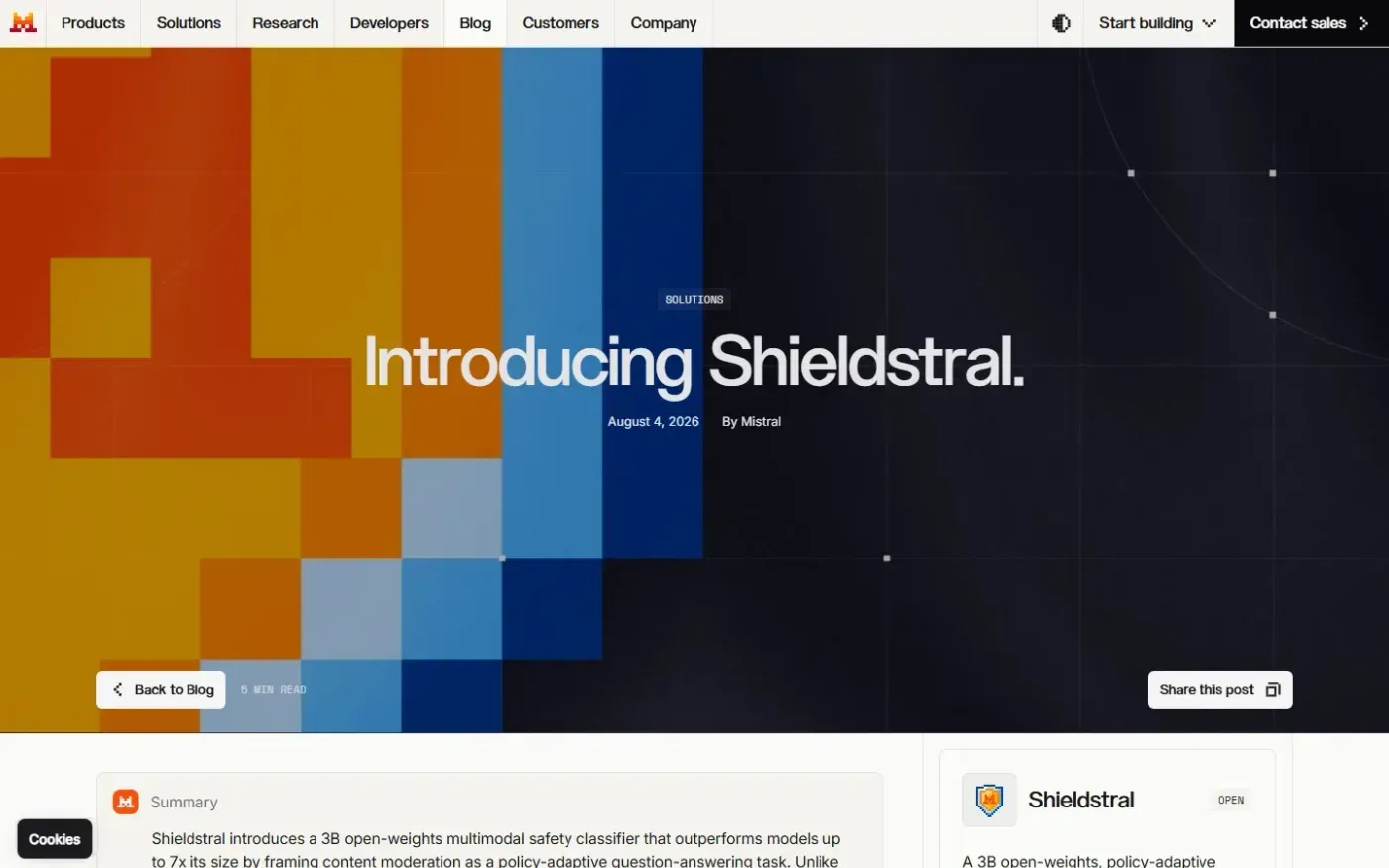
Shieldstral — Define safety at runtime for text and images screenshot 1 of 4: Home
mistral.ai
Shieldstral introduces a 3B open-weights multimodal safety classifier that outperforms models up to 7x its size.
Home
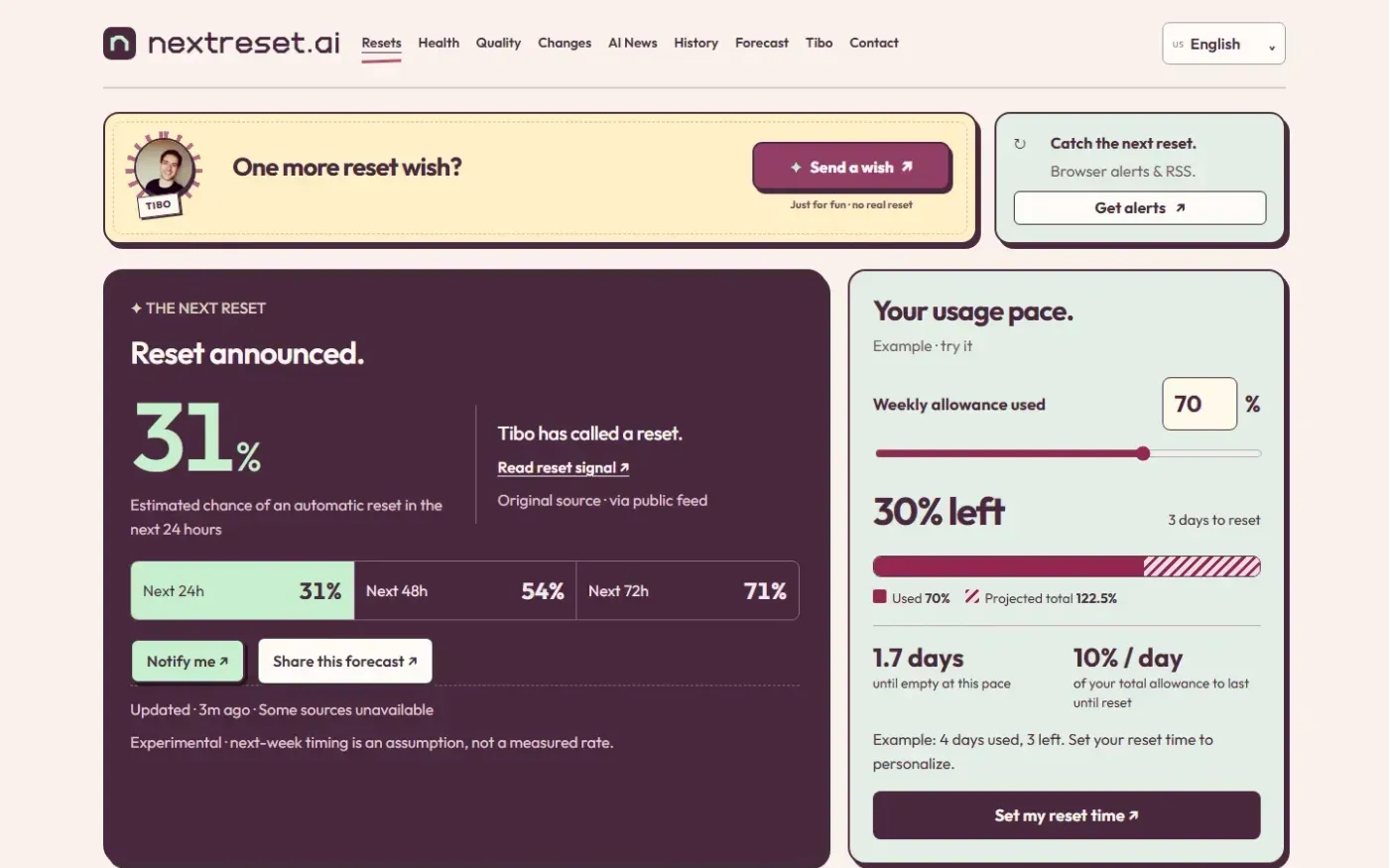
Nextreset screenshot 1 of 4: Home
nextreset.ai
NextReset tracks public Codex resets, AI service updates, and quality checks. It provides reset predictions, community polls, usage pace trackers, and a CLI quality monitor for OpenAI's Codex model.
Home
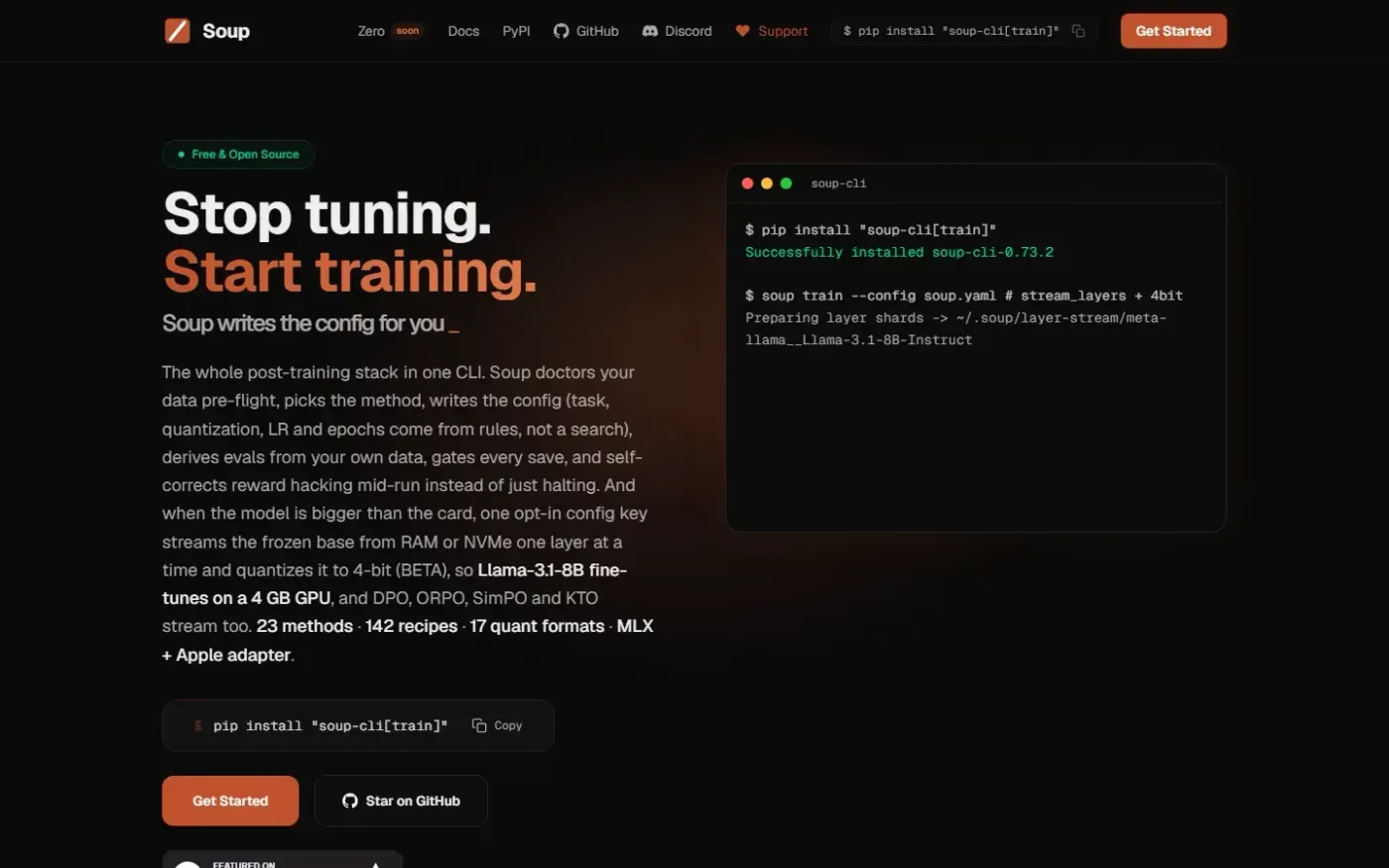
Soup CLI — Fine-tune an 8B LLM on a 4 GB laptop GPU screenshot 1 of 4: Home
trysoup.dev
Soup CLI is an open-source command-line toolkit for LLM post-training and fine-tuning on local hardware. It uses layer streaming to fit 8B models into 4 GB VRAM, auto-generates training configs, gates saves via evals, and supports migration from other fine-tuning tools.
Home
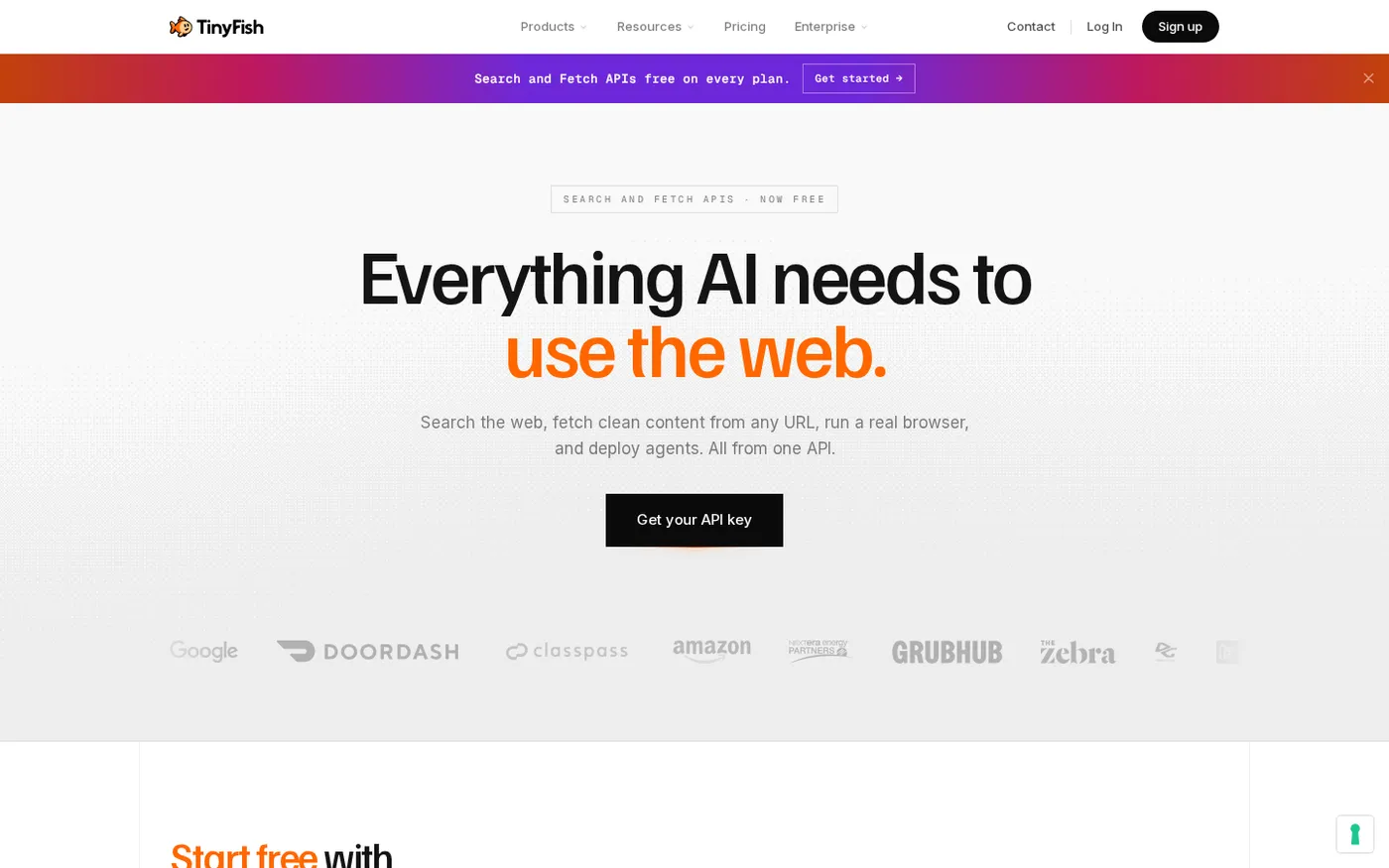
TinyFish — The web operating layer for AI agents screenshot 1 of 4: Home
tinyfish.ai
TinyFish provides enterprise infrastructure for AI web agents. Run hundreds of websites simultaneously to navigate, authenticate, extract data, and automate web workflows with a fully serverless architecture.
Home
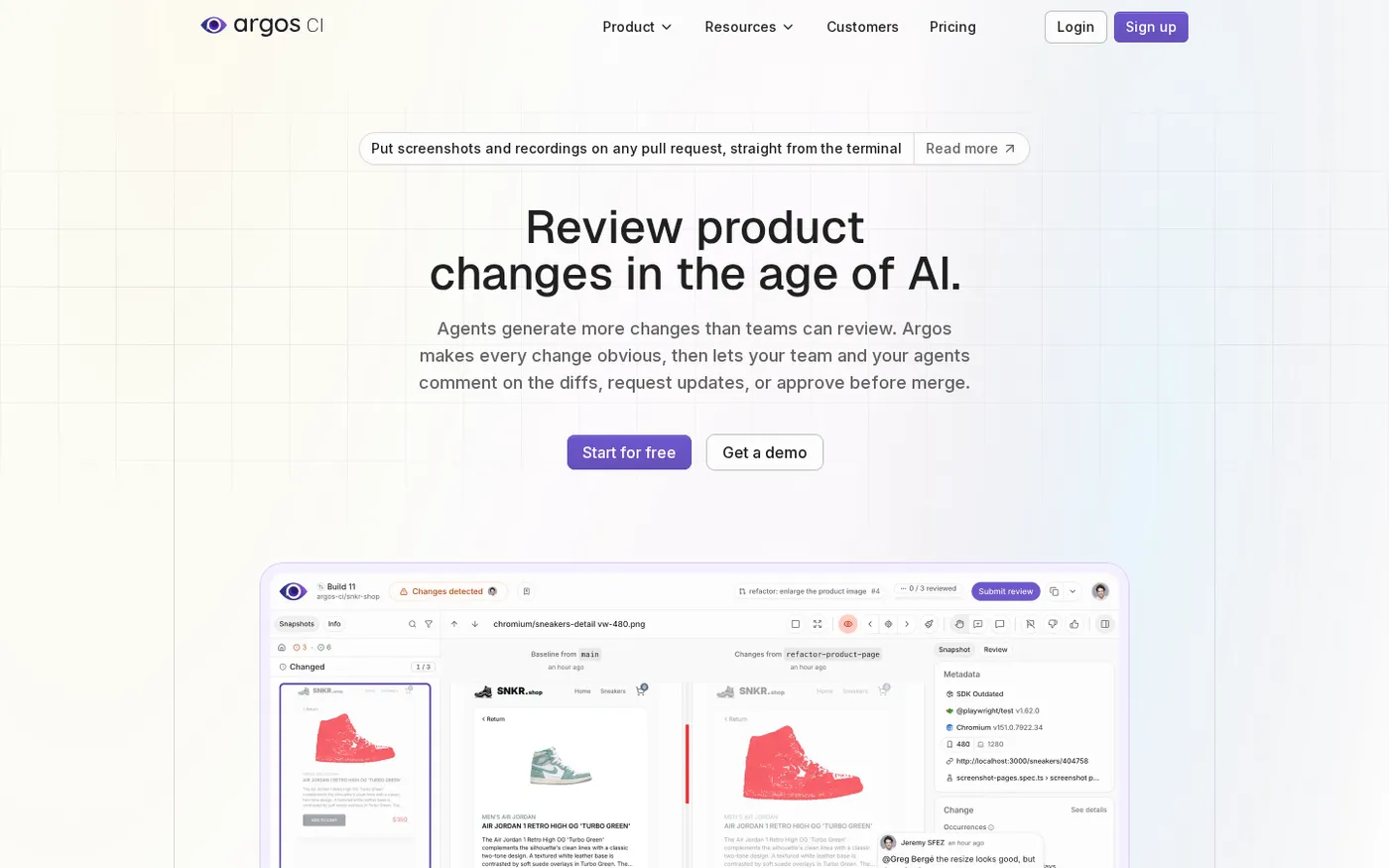
Media Sharing — Let AI agents put screenshots and videos on pull requests screenshot 1 of 4: Home
argos-ci.com
Visual and snapshot testing platform that reviews pull request changes across pixels, Markdown, JSON, and other files to catch regressions before merge.
Home
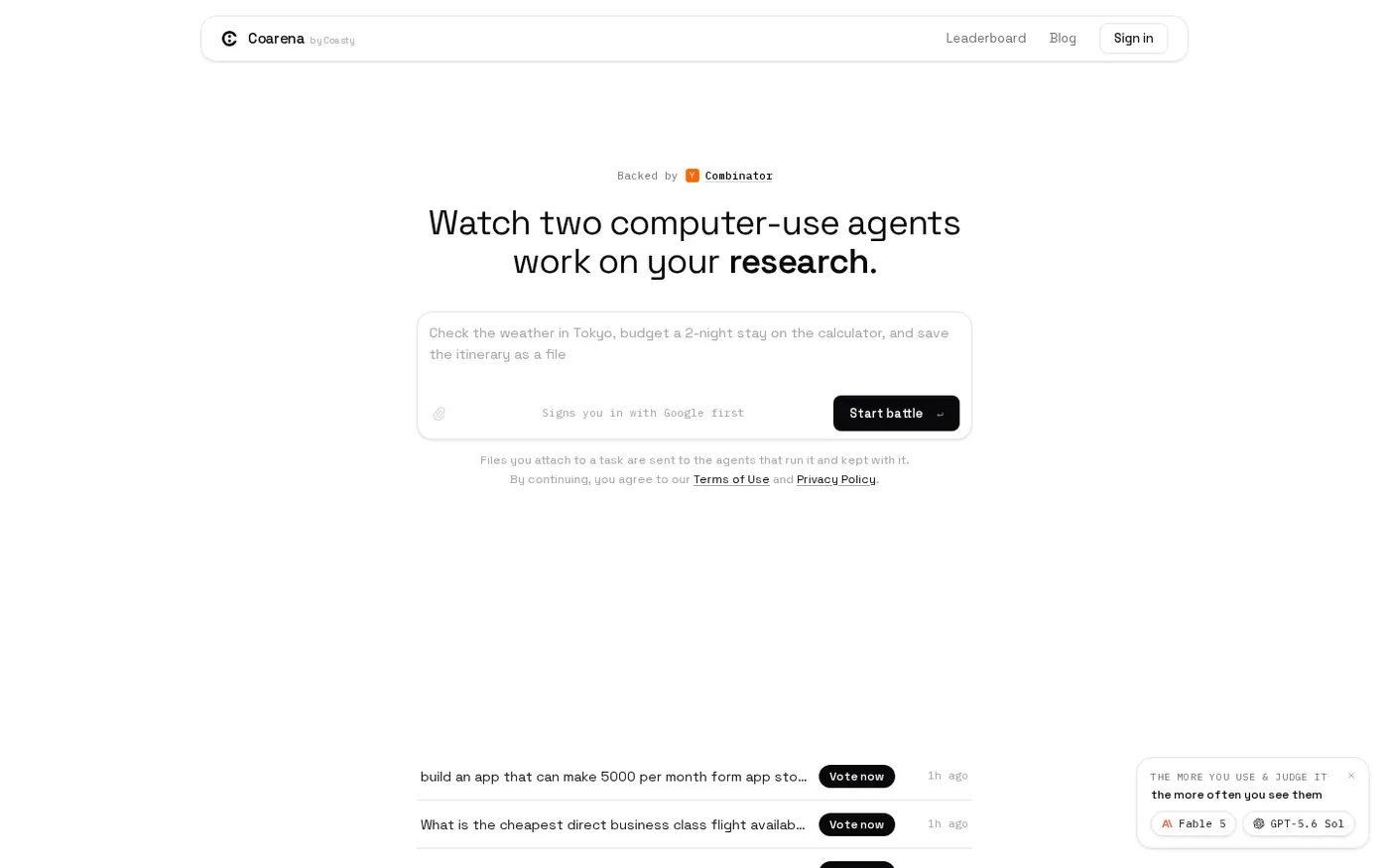
Coarena by Coasty — The arena where agents battle on real-world work screenshot 1 of 4: Home
coarena.ai
Platform for live computer-use agent evaluations where users post browser tasks, watch two AI agents race, and judge outputs blind to update a public leaderboard.
Home
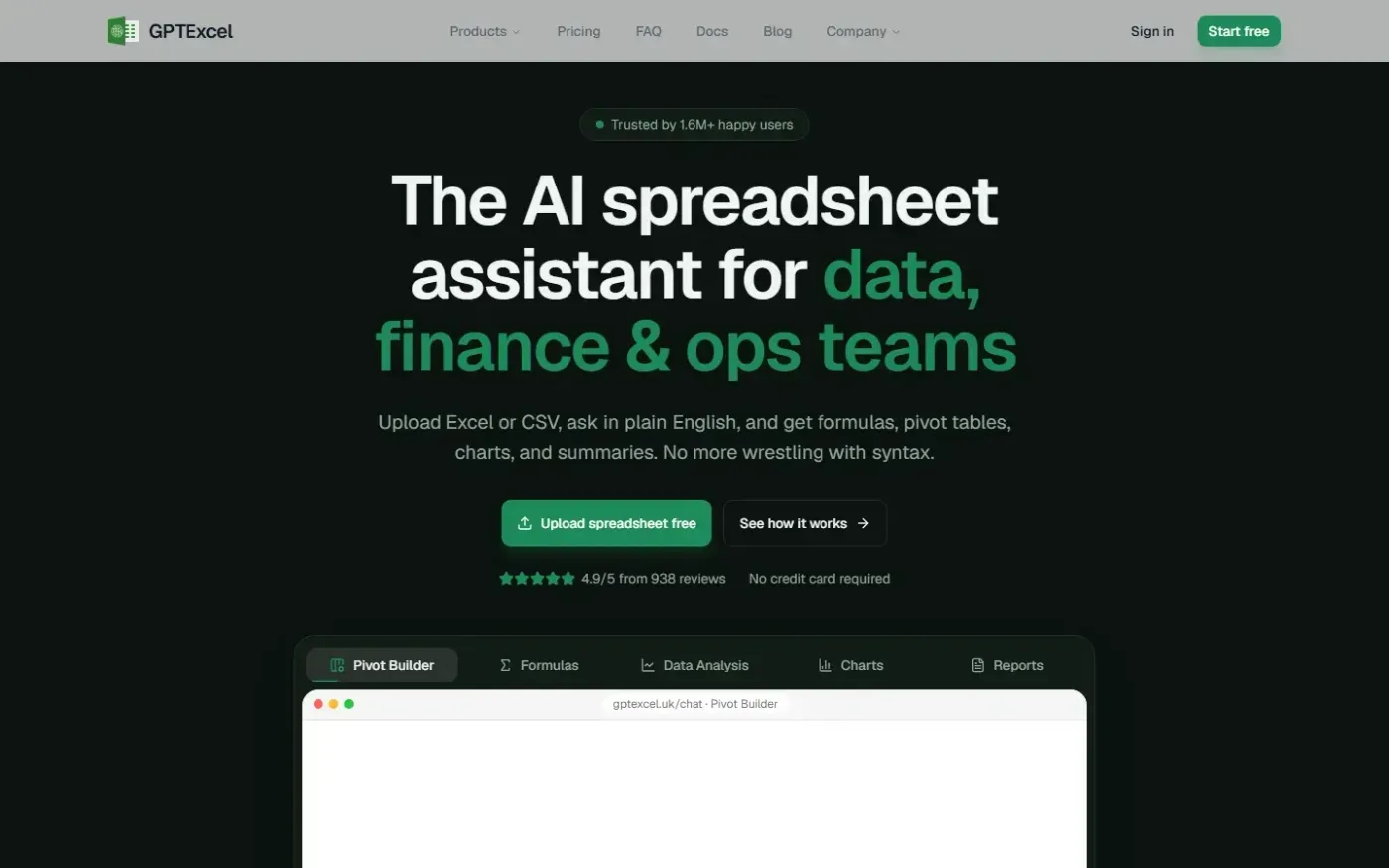
Gptexcel screenshot 1 of 4: Home
gptexcel.uk
GPTExcel is an AI spreadsheet assistant that allows users to upload Excel or CSV files, ask questions in plain English, and generate formulas, pivot tables, charts, SQL queries, regex, and automation scripts.
Agent runtimes, model APIs, LLM observability, agent tooling and training data
Notes, calendar, inbox, meeting capture, and desktop, file and web utilities
One to explore
A closer look at one of the tools in the directory, selected from published research findings.
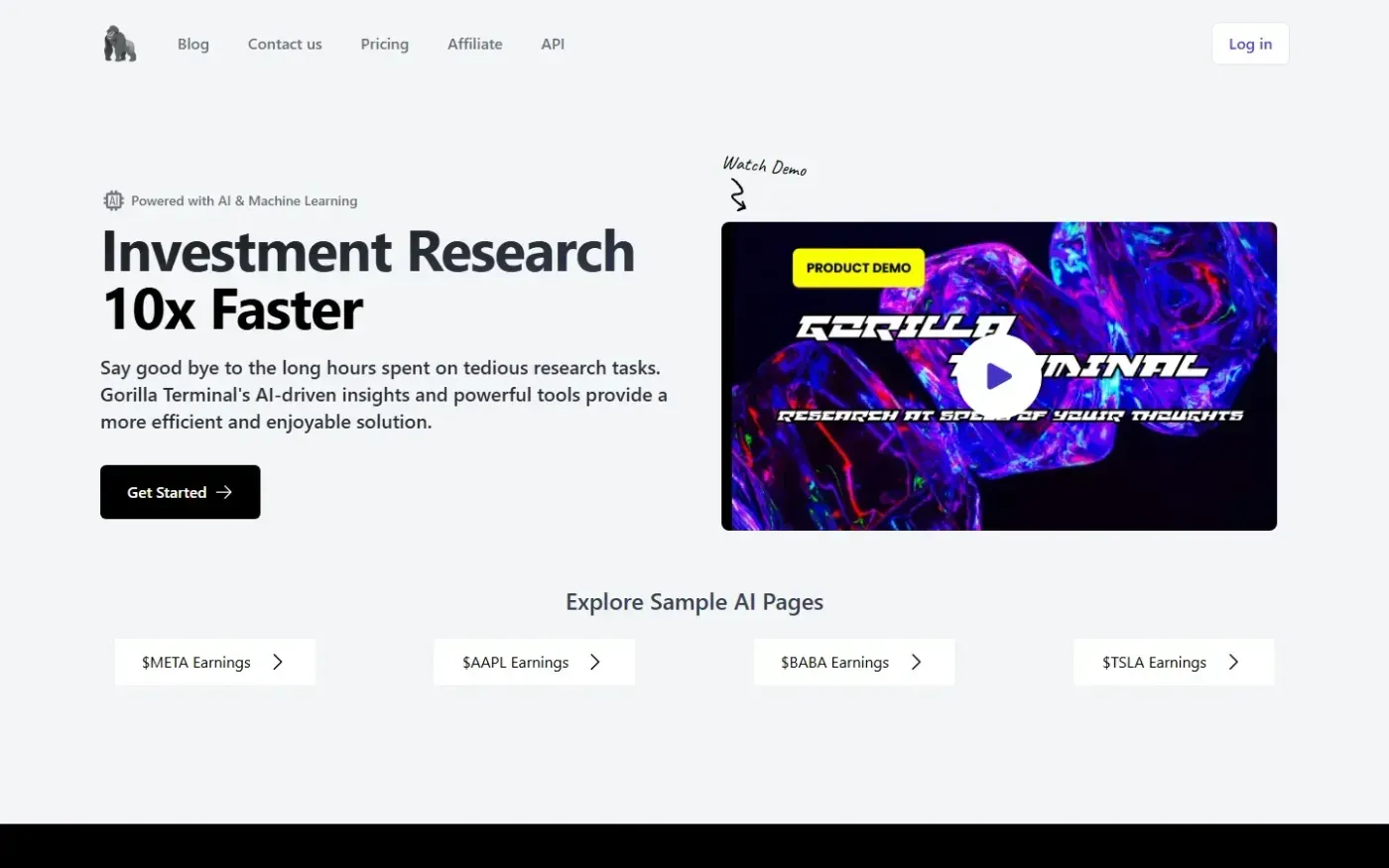
Home
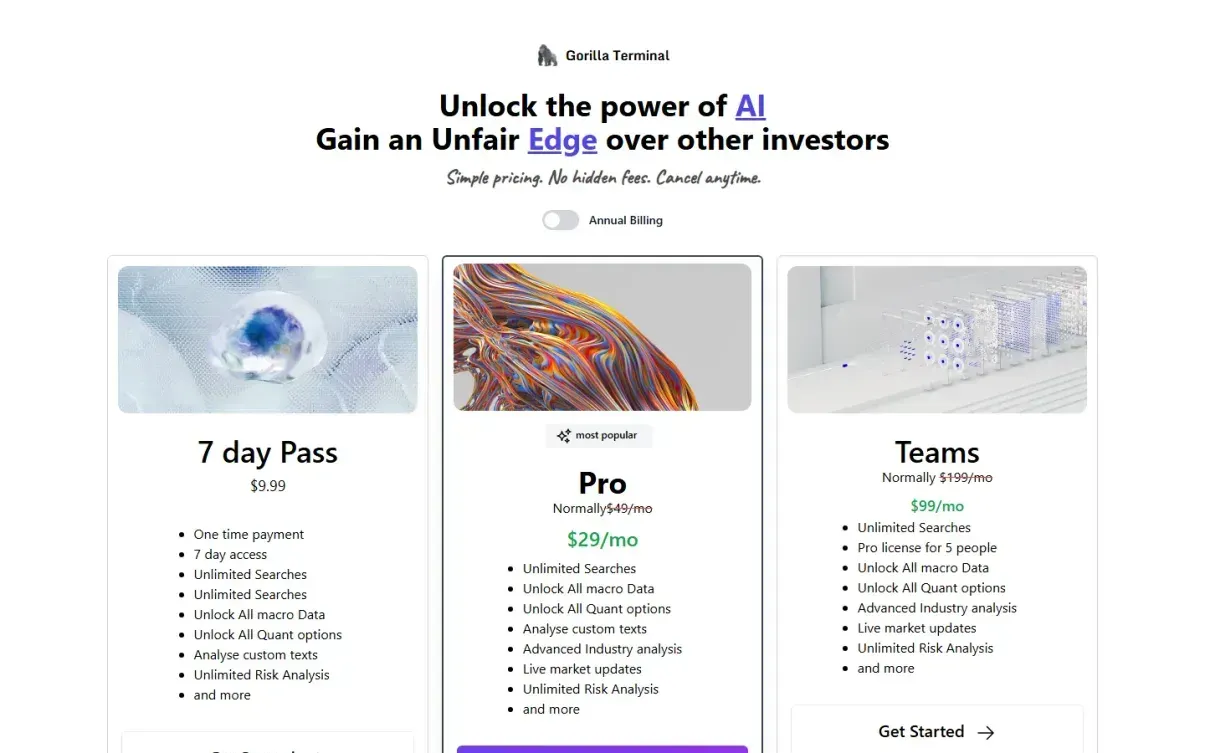
1 / 3Gorilla Terminal is an investment research platform with AI-assisted earnings-call analysis, macroeconomic data, stock research, market information, and portfolio risk-management tools.