SiteList review score
Exceptional design execution and technical documentation for developers. Severe performance issues including a 12-second mobile LCP require image and asset optimization.
Reviewed on Sep 1, 2026
qualcomm.com
Unclaimed listingWhat it does
Qualcomm AI Hub Workbench helps optimize, validate, and deploy machine-learning models on-device for vision, audio, speech, and multimodal use cases.
SiteList review score
Exceptional design execution and technical documentation for developers. Severe performance issues including a 12-second mobile LCP require image and asset optimization.
Reviewed on Sep 1, 2026
Verified user rating
—
No verified reviews yet — the evidence locker is empty.
Captured during our latest review on Sep 1, 2026
Model conversion
model optimization
Converts trained models from PyTorch and ONNX for optimized on-device performance on Qualcomm devices.
On-device profiling
model evaluation
Profiles models on-device and provides runtime, load-time, and compute-unit utilization metrics.
Numerical verification
model evaluation
Verifies numerical correctness by performing on-device inference.
Model deployment
deployment
Supports deployment using Qualcomm AI Runtime, TensorFlow Lite, or ONNX Runtime.
Pre-optimized model collection
models
Provides a collection of 300+ models optimized and validated by Qualcomm.
Vision
On-device machine-learning use cases for vision.
Audio
On-device machine-learning use cases for audio.
Speech
On-device machine-learning use cases for speech.
Multimodal applications
On-device machine-learning use cases combining multiple modalities.
Qualcomm AI Hub is an on-device AI development platform designed for mobile, compute, and automotive software engineers. It provides technical resources and models for implementing AI directly on hardware.
Performance is a significant weakness. The site recorded a 12-second Largest Contentful Paint (LCP) on mobile, which is well below industry standards and likely to cause user frustration during navigation.
Yes, the site features technically dense copy that speaks directly to its developer audience. Editorial QA scores are high, though some pages lack standard structural elements like H1 headings.
The site scores an exceptional 94/100 for design execution. It meets WCAG AA contrast standards and demonstrates strong mobile correctness and component consistency.
Answers are based on SiteList's latest evidence review. Read the full review.
Qualcomm AI Hub earns a 74/100, distinguished by exceptional design execution and high-quality technical documentation. However, severe performance issues including a 12-second mobile LCP significantly impact the user experience.
74/100: technically sound content held back by critical performance gaps
No reviews yet. The evidence locker is empty.
Reviews from verified users appear here once approved.
Reviews are from the SiteList community. Some reviewers received incentives — disclosed in the review, always. The verdict is never for sale.
Home
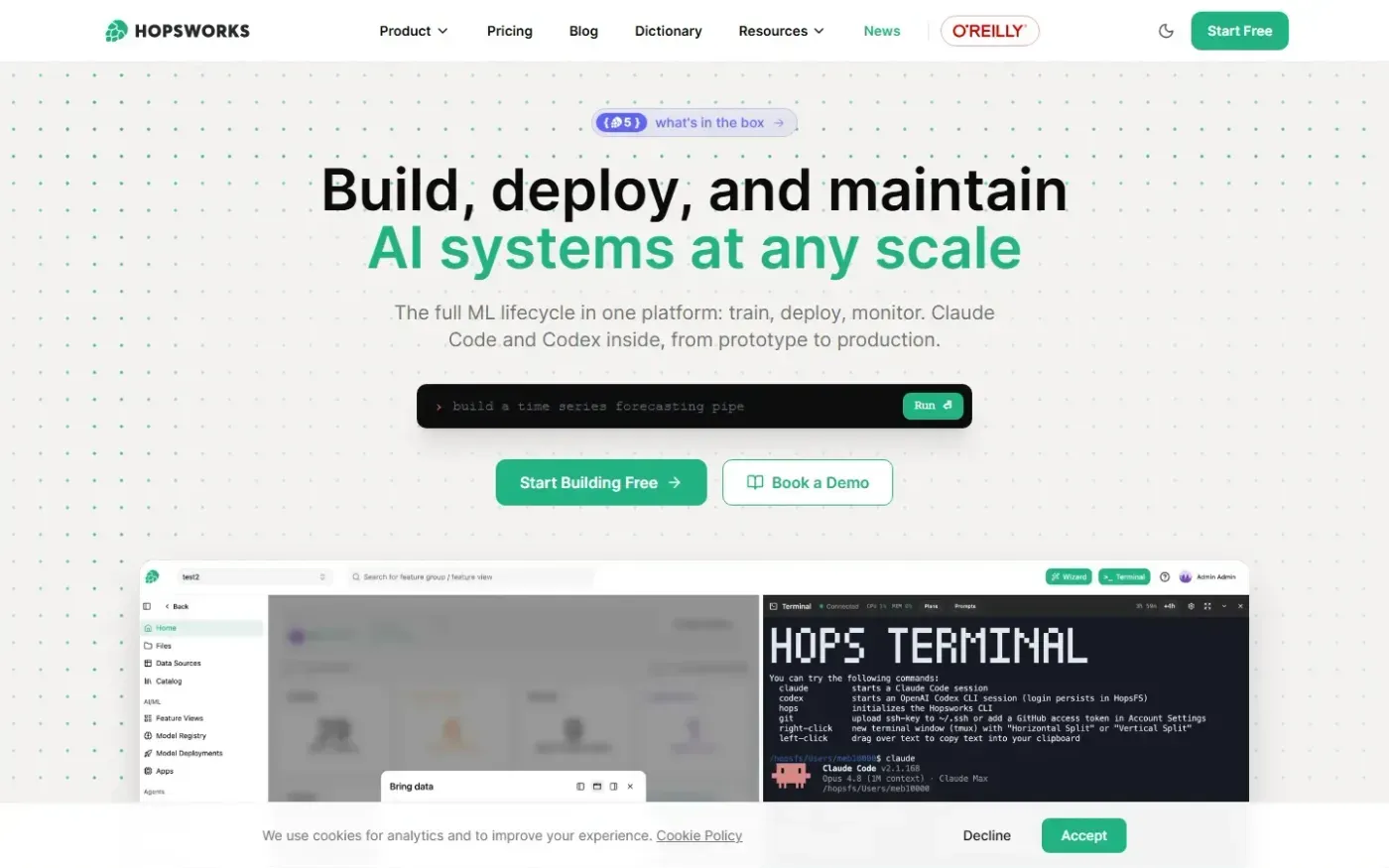
Hopsworks screenshot 1 of 4: Home
hopsworks.ai
Build, deploy, and scale production ML systems with Hopsworks. The Feature Store and MLOps platform for real-time AI.
unsloth.ai
Unsloth is an open-source desktop application and framework for running and training AI models locally, with downloads for macOS, Windows, and Linux.
Home
Subq screenshot 1 of 4: Home
subq.ai
Subquadratic is a frontier AI research company building compute-, memory-, and sample-efficient algorithms and models. Its SubQ model is designed for multi-million-token reasoning across repositories, financial filings, contract archives, and other data-intensive workloads.
Home
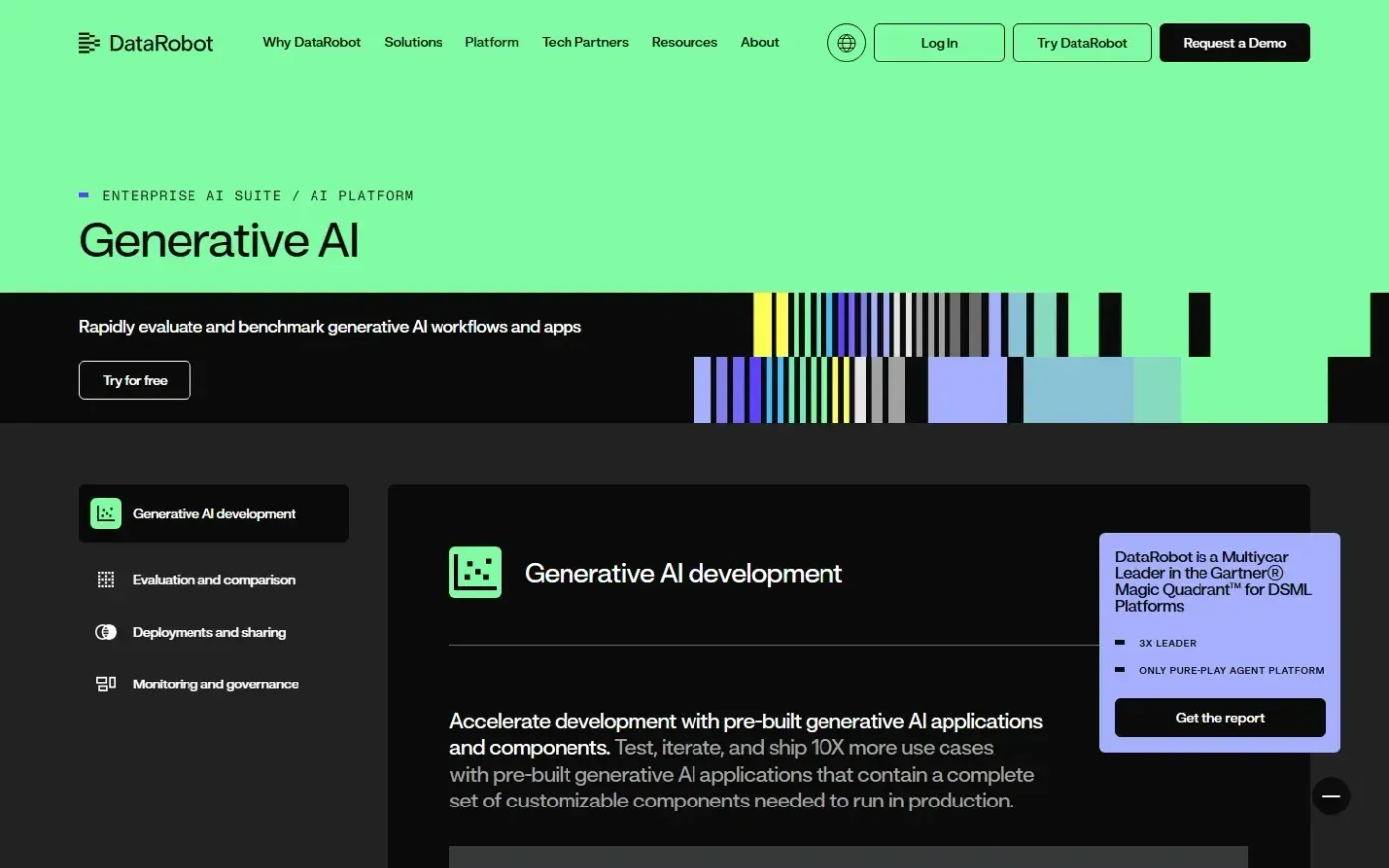
Datarobot screenshot 1 of 4: Home
datarobot.com
DataRobot provides enterprise software for generative AI, including tools to evaluate and benchmark generative AI models for enterprise applications.