SiteList review score
Leverages a massive developer footprint to establish trust. Currently hampered by a 7MB homepage payload and design technical debt.
Reviewed on Aug 28, 2026
telerik.com
Unclaimed listingWhat it does
The Progress Agent Engineering Platform captures trace-level data from AI agents and LLM applications, including prompts, responses, model calls, retrieval steps, tool use, latency, token usage, and cost signals. It enables teams to debug failures, monitor production costs, evaluate output quality, and optimize workflows across .NET, Python, and JavaScript.
SiteList review score
Leverages a massive developer footprint to establish trust. Currently hampered by a 7MB homepage payload and design technical debt.
Reviewed on Aug 28, 2026
Verified user rating
—
No verified reviews yet — the evidence locker is empty.
Captured during our latest review on Aug 28, 2026
AI Tracing
Observability
Shows the full execution path behind AI responses, including prompts, model calls, retrieval, tool use, latency, and outputs.
Cost Analysis
Monitoring
Connects cost and token usage to real execution traces so teams can identify what is driving spend before the next invoice.
LLM Evaluations
Evaluation
Uses evaluator models to score AI outputs against quality criteria such as relevance, helpfulness, groundedness, safety, or task completion.
Workflow Debugging
Debugging
Investigates skipped tools, failed retrieval paths, agent loops, and bad context with trace-level evidence to resolve AI-specific failure modes.
Debugging AI Agent Failures
Review full execution paths across prompts, model calls, retrieval, tool use, and workflow steps to identify failure modes.
Monitoring Production AI Costs
Understand what is driving token spend and invoice increases by connecting costs to real execution traces.
Improving AI Output Quality
Use production traces to identify weak responses, compare prompt or model changes, and build better evaluation coverage over time.
Semantic Kernel
developer tools
First-class native integration for .NET agent development and orchestration workflows.
Azure
cloud infrastructure
Designed to fit naturally into Microsoft-ecosystem teams already using Azure services.
The Progress Agent Engineering Platform is designed to be lightweight and asynchronous, so instrumentation does not meaningfully impact agent execution or user-facing latency.
It's built for production-grade AI agents, including single-agent workflows, multi-agent systems, tool-using agents, RAG pipelines, copilots and customer-facing assistants.
Product FAQ information · View source
Progress AI Observability earns a 75/100, leveraging a massive developer footprint to establish trust in the AI observability space. The site demonstrates deep technical understanding but is hampered by a 7MB homepage payload and design technical debt.
75/100: Strong enterprise foundation with significant performance debt.
No reviews yet. The evidence locker is empty.
Reviews from verified users appear here once approved.
Reviews are from the SiteList community. Some reviewers received incentives — disclosed in the review, always. The verdict is never for sale.
Home
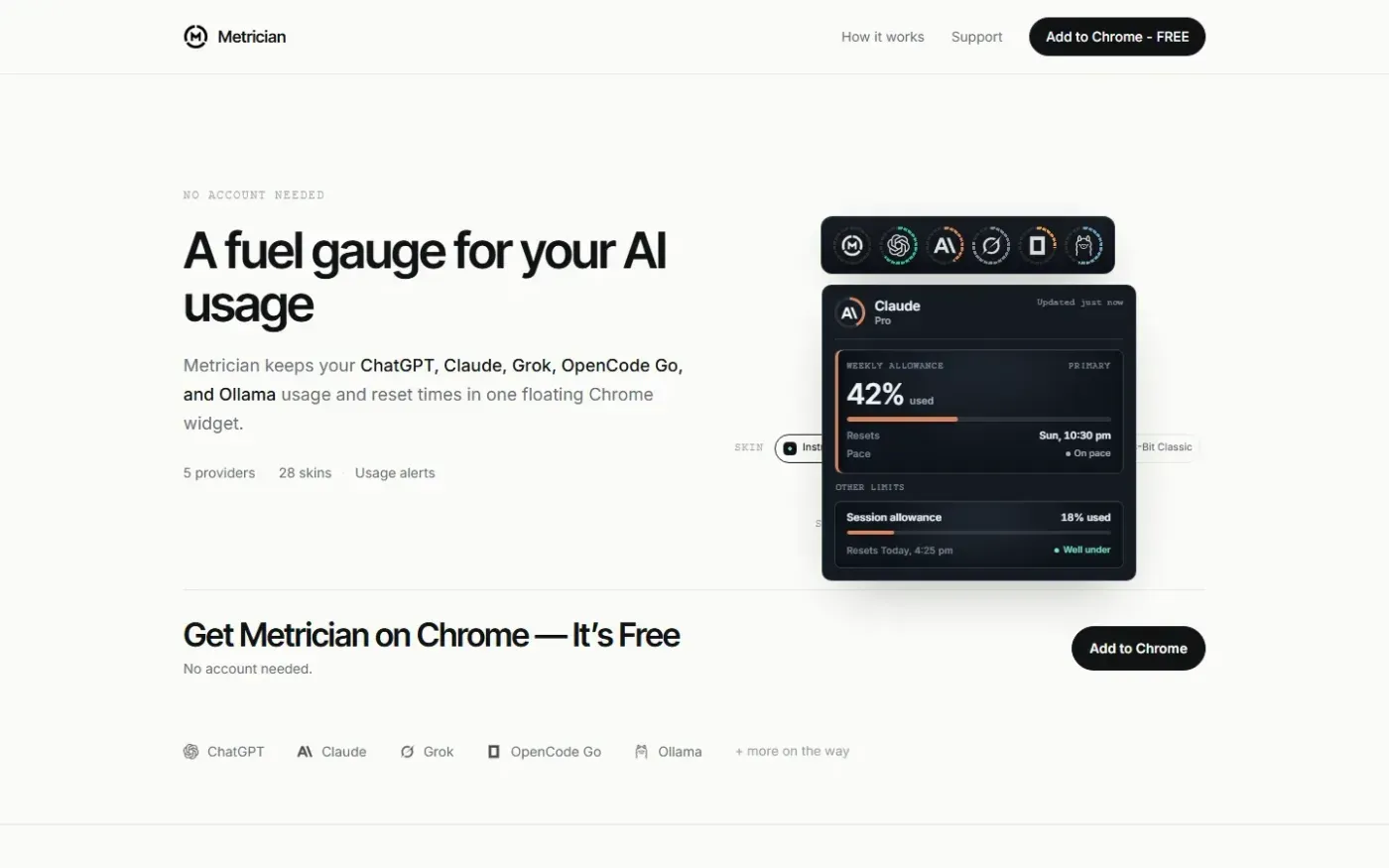
Metrician screenshot 1 of 4: Home
metrician.io
Metrician is a Chrome extension that displays AI usage limits, usage pace, and reset times for ChatGPT, Claude, Grok, OpenCode Go, and Ollama inside a customizable floating browser widget.
Home
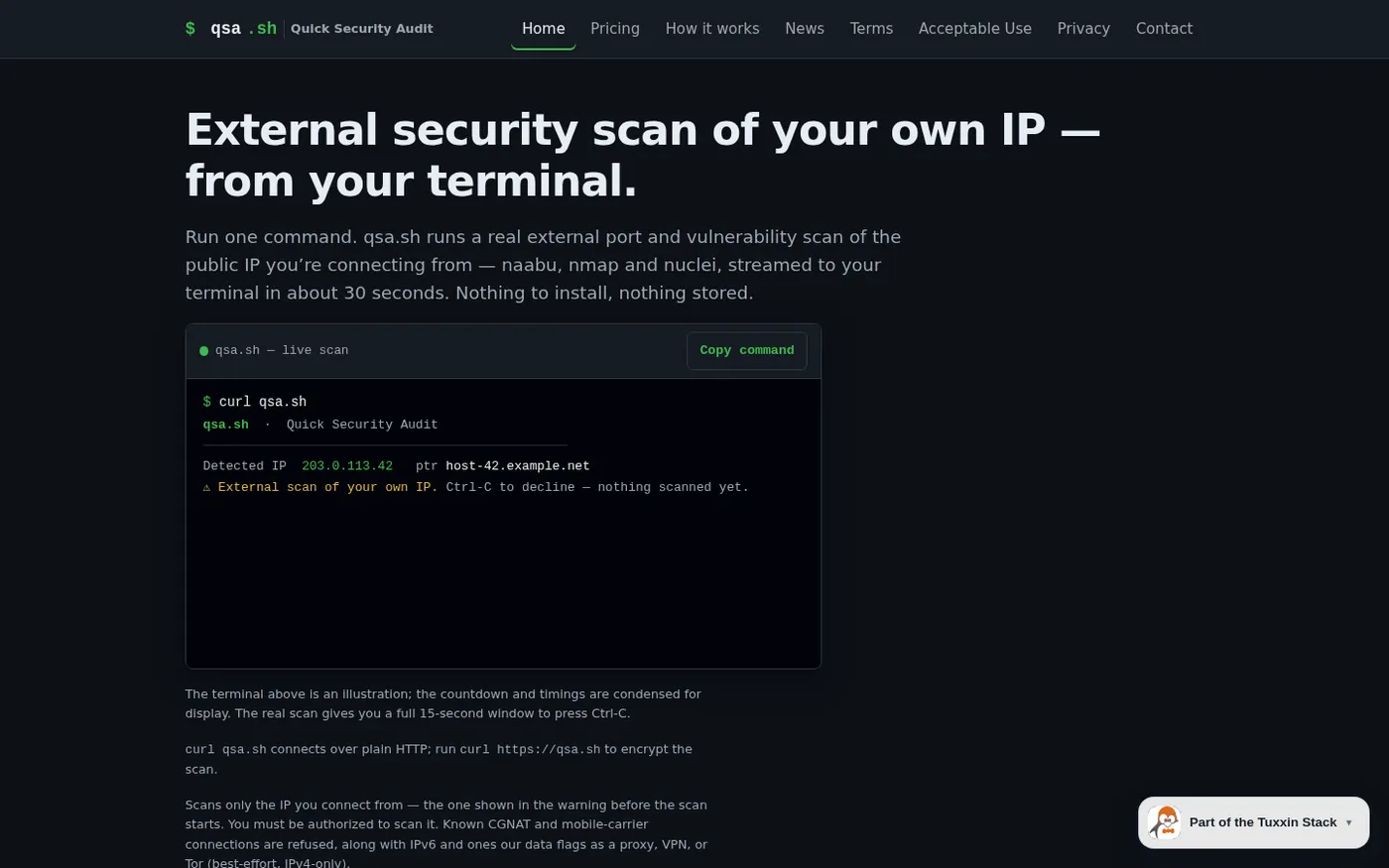
qsa.sh — External security scan of your own IP, in your terminal screenshot 1 of 4: Home
qsa.sh
A terminal-based service that performs an external port and vulnerability scan of the user's own public IP address using open-source tools (naabu, nmap, nuclei), offering a free live-streaming tier and paid async/deep scan tiers.
Home
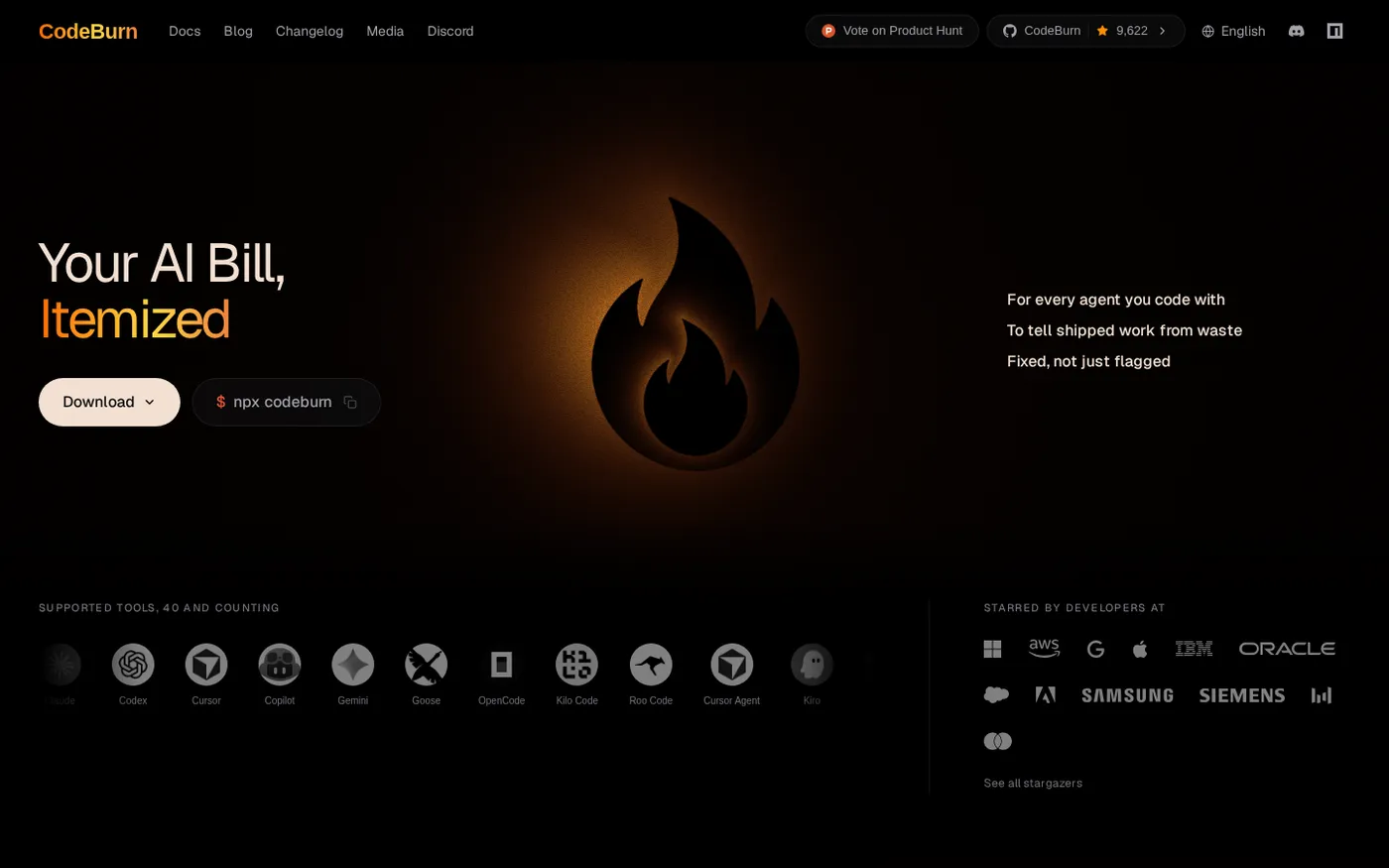
CodeBurn — See where your AI coding spend actually goes screenshot 1 of 4: Home
codeburn.app
CodeBurn is a free, open-source, local-first tool that tracks AI coding token usage and cost across dozens of developer tools. It breaks down spend by model, project, and task using session files already on the user's disk, with no data uploaded.
Home
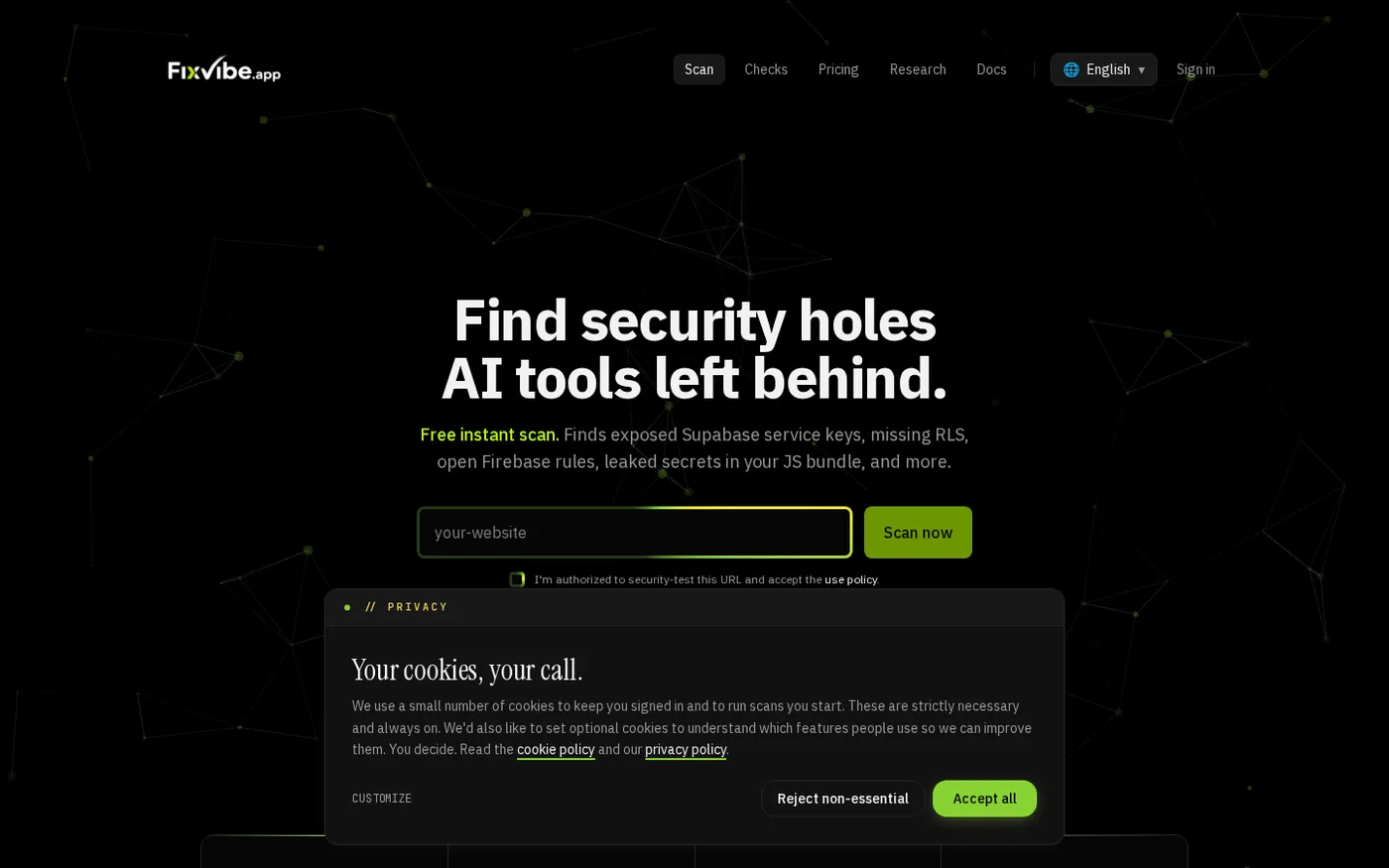
Fixvibe screenshot 1 of 4: Home
fixvibe.app
Security scanner for AI-generated web apps, including DAST, BaaS misconfiguration checks, leaked-secret detection, and AI-ready remediation prompts.